Skip to content

Storefront Signage ROI in Brooklyn: A/B Tests, Foot-Traffic, Conversions

Learn how to quantify storefront signage in Brooklyn ROI using AB tests, foot traffic counts, and conversion tracking to guide smarter sign upgrades

Turn Your Storefront Into a Measurable Sales Engine

Storefront signage in Brooklyn should not be a guess. Your sign sits in front of real people walking by all day, which means you can measure what works and what does not, just like any other marketing channel. When you treat your storefront like a testable sales tool, you can make smarter choices that support real revenue instead of hoping a new sign “feels” better.

Fall is a smart time to think about this. Kids are back in school, routines settle in, and people start planning for the end of the year. That means more foot traffic, more buying decisions, and a great chance to see how different sign ideas perform. By running simple tests, counting who walks by, and tracking what happens after they see your sign, you can turn your storefront into a steady, measurable engine for your business.
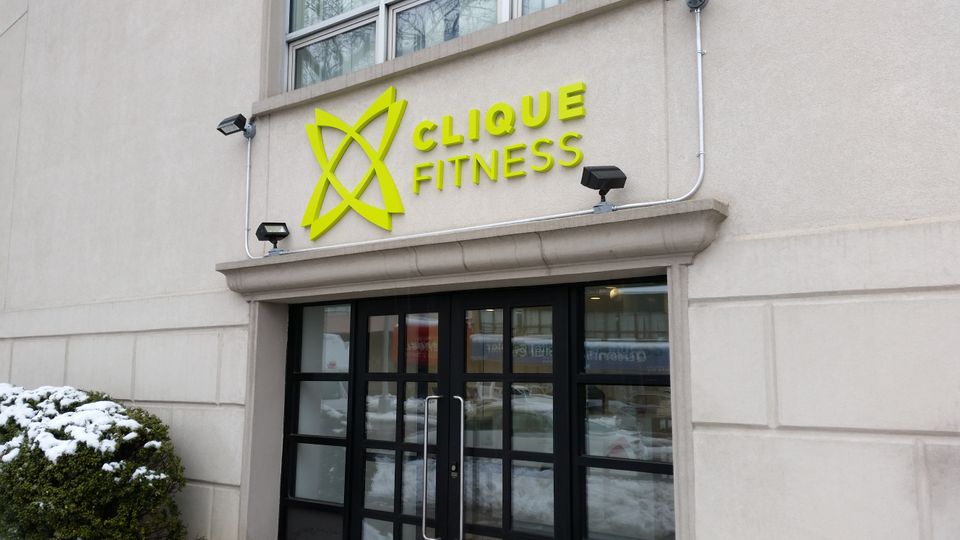
Lime green dimensional letters and a matching logo mounted on a limestone storefront above a glass entrance

Defining ROI for Storefront Signage in Brooklyn

To measure return on investment, you first need clear words for what is happening outside your door. You can think of it as a simple funnel:
 
  • Impressions, people who walk past and can see your sign  
  • Engagement, people who slow down, look up, snap a photo, or point it out  
  • Visits, people who actually open the door and step in  
  • Transactions, people who buy, ask for a quote, or place an order  

A simple ROI formula for signage looks like this:
(Added Profit From Sign − Cost of Sign) ÷ Cost of Sign

For example, say a new sign helps bring in extra profit over a period of time, after you subtract product costs and other basics. You compare that added profit to what you spent on the sign itself. If the profit is higher than what you paid for the sign, that sign is paying you back.

On busy Brooklyn streets like Flatbush, Bedford, or Atlantic, there is a lot of competition for attention. Rent is high, space is tight, and every passerby matters. That is why focusing on small lifts in each step, more glances, more door opens, more sales per visit, can add up in a real way.

Time frame matters too. Short-term promotions on windows or temporary signs can be judged over 2 to 4 weeks. Bigger permanent changes like a new main sign, an awning, or a vestibule usually need 3 to 12 months of data to judge fairly. Fall numbers can help predict how your storefront will perform during the holiday rush, since patterns in these months often carry into winter.

Simple A/B Tests You Can Run on Your Own Blog

A/B testing in the real world is just comparing two versions of your signage over similar time periods. Instead of showing both at once like a website test, you switch from one version to another and compare the results.

Here are three simple ideas for storefront signage in Brooklyn:

 
  • Value message test, try a message that focuses on price, then one that focuses on quality or speed  
  • Design test, bold colors and large icons one period, clean minimalist design and text in another  
  • Lighting test, unlit sign, then halo-lit or fully lit, especially as fall evenings get darker earlier  

To keep the test fair, change only one thing at a time. Keep your hours, staff, and main offer the same. Then compare similar weeks, like the first two weeks of October for version A and the next two weeks for version B. Track simple numbers, such as:
 
  • People you see walk past during set blocks of time  
  • People who walk in  
  • Total sales or tickets  

In Brooklyn, some outside factors can skew results if you are not watching, like street fairs, school breaks, big weather swings, or subway changes that shift foot traffic. Make notes when these things happen so you do not blame or credit the sign for what is really a one-off event.

Foot-Traffic Counting Methods From Low-Tech to High-Tech

You do not need fancy tools to start. Some low-tech options include:
 
  • Manual clickers to count passersby during set time blocks  
  • Simple tally sheets staff can mark for door opens  
  • Short observation windows during key periods, like morning commute, lunch, and early evening  

Once you want more precision, there are mid-range tools like door counters, Wi-Fi or Bluetooth trackers, or camera-based people counters. These help busy storefronts on crowded streets get a clearer read on patterns without asking staff to watch the door nonstop.

The key metric you are looking for is your capture rate. That is:

People who walk in ÷ People who walk past

If 100 people pass and 10 come in, that is a 10 percent capture rate. When you change your sign, you are trying to raise that number. More people noticing you, stepping in, and giving you a chance to serve them.

Set up your counting to match your sign changes. For example, track a baseline week with your current sign during normal weather and typical events. Then install the new sign and track the same hours and days in a similar week. If passersby are steady but your capture rate goes up, that points to your sign doing its job.

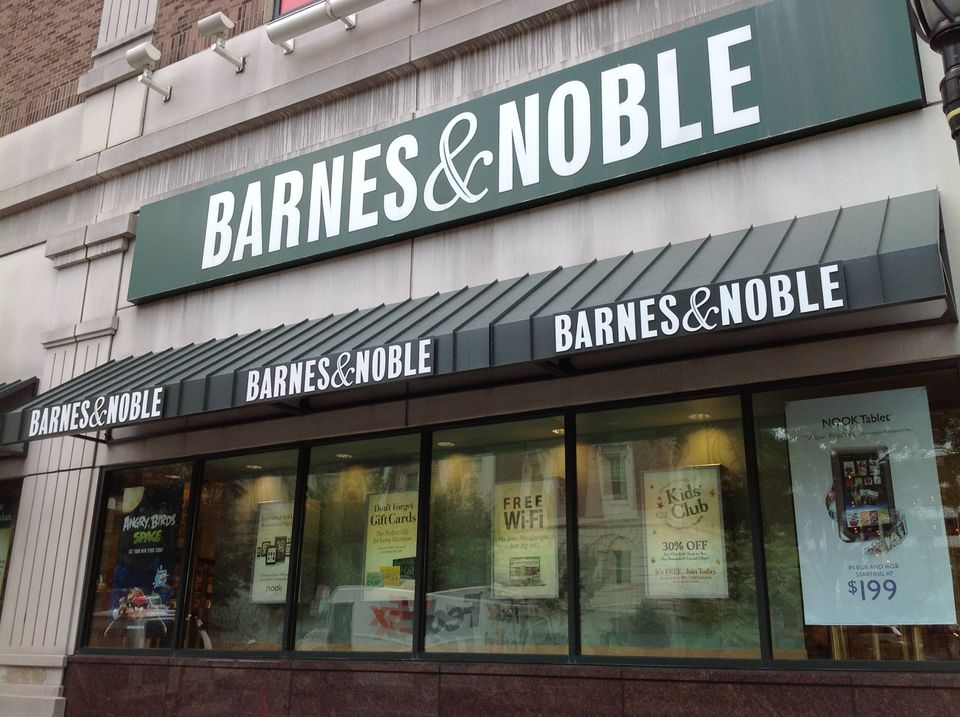
Barnes & Noble storefront with dimensional lettering above printed awning valances

Tracking Conversions From Sign View to Sale

Once someone walks in, the next step is conversion. The meaning of conversion depends on your type of business. It might be:
 
  • A walk-in purchase  
  • A consultation or service appointment booked  
  • A new menu item ordered  
  • A QR code scan that leads to an online action  
  • An email or SMS signup at the counter  

There are simple ways to link these actions back to your signage. You might:
 
  • Use a sign-specific line like “Mention Brooklyn Fall for a small perk”  
  • Add unique QR codes to awnings or vestibules that go to a special landing page  
  • Train staff to ask “How did you hear about us?” with “Saw your sign” as a clear choice  

When you test a new message or design, track what percent of visitors buy or take your key action. If foot traffic stays the same but your conversion rate climbs, that sign change is working, even without more people walking past.

Fall is a nice time to try seasonal messages too. Signs that promote cold-weather favorites, early gift ideas, or pre-orders for busy months can show you what sort of wording and design moves people before winter sets in.

Turning Data Into Smarter Signage Decisions

All of this only pays off if you look at the numbers in a steady way. A simple monthly routine can help:
 
  • Log your baseline and post-change foot traffic  
  • Track capture rate and conversion rate  
  • Note what changed, message, layout, colors, materials, or lighting  

Over time, patterns show up. You might notice certain colors stand out better on your block, or that a clear value statement beats a clever phrase. You may find that lit signage brings more evening visits as days get shorter, or that simple icons help people understand what you do faster in a crowded streetscape.

When a temporary banner, window graphic, or test layout proves itself with better numbers, that is a sign it may be worth turning into a long-term feature. For some businesses, this means investing in a permanent storefront sign; for others, a branded awning or vestibule that gives more presence from down the block.

If your shop sits on a quieter side street, good data can be your best argument for going bigger and more visible. When you can point to higher capture rates and better conversions, it becomes easier to justify signage that reaches deeper into the neighborhood and even catches people heading to and from major transit lines across the city and the wider region.

Working this way takes a little effort, but it turns storefront signage in Brooklyn from a one-time expense into a steady, trackable part of your sales plan.

Get Started With Your Project Today

If you are ready to make your storefront stand out on a busy Brooklyn street, we are here to help you design and install custom storefront signage in Brooklyn that fits your brand and your budget. At SignIt NY, we work with you from concept through installation so your signage looks sharp, compliant, and built to last. Tell us about your goals, timeline, and location, and we will recommend the right materials, lighting, and layout. Reach out to our team today through our contact page to get a tailored quote and a clear project plan.
Get a Quote