Skip to content

Storefront Cooling: Summer Heat and Energy

How shade and a second door keep a New York City entrance comfortable in the heat.

Summer heat starts at the front door

On a hot afternoon, the entrance is the worst spot in most stores. Sun comes through the front glass, the sidewalk throws heat back up, and every time the door opens warm, humid air rolls in while the air conditioning rolls out. The person at the register or the host stand feels it first. Customers feel it the second they step inside.

Two things do most of the work of fixing that. An awning keeps direct sun off the glass and the doorway. A vestibule, which is a small enclosed entry with a second door, cuts down how much air trades places every time someone walks in. Below is how each one works, and what to plan for on a city sidewalk.
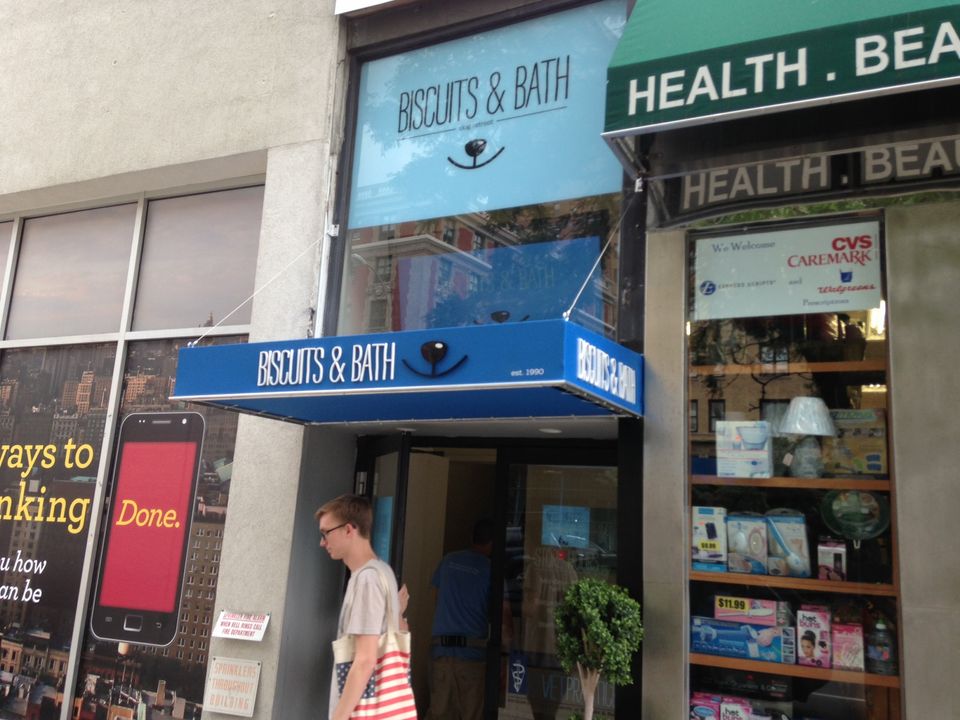
Blue storefront awning and matching entrance canopy with printed lettering on a Manhattan retail block

Shade the glass first

Direct sun on a big front window turns the area behind it into a hot zone. The glass and frames heat up, glare makes it hard to see into the store from the sidewalk, and anything displayed in the window starts to fade. An awning stops that sun before it hits the glass, so the entrance stays cooler and the air conditioning has less to fight through a long afternoon.

How well it works comes down to three measurements:
  • Projection is how far the awning extends from the building. More projection shades more of the glass and the sidewalk.
  • Pitch is the angle. Enough slope sheds rain and blocks afternoon sun without feeling heavy over the sidewalk.
  • Drop is how low the front edge hangs. A lower edge gives more shade but can cut into the view in and out of the store.

Which way the store faces matters too. Glass facing south or west takes the strongest sun, and a corner store can get it from two sides.
See Our Awnings

Picking an awning that holds up to the sun

Material and color decide how the space under the awning feels and how long the awning keeps looking good.
 
  • Acrylic fabric holds its color and handles UV better than basic canvas.
  • Vinyl coated fabric is tough, wipes clean easily, and takes bold colors and printed graphics well.
  • Traditional canvas has a softer look but needs more upkeep to stay clean and keep its color.
  • Metal lasts a long time, but it can get hot underneath if the design doesn't account for the sun.

Lighter colors reflect more heat and take longer to fade. Darker colors look sharp, but they absorb more warmth and show fading sooner. On a lot of storefronts the awning is also the main sign, so the lettering needs enough contrast to read from across the street in full sun.

The frame matters as much as the fabric. A solid frame, the right pitch, and fabric stretched tight let the awning shed a summer downpour and ride out wind without sagging or holding water.

What a vestibule does at the door

A vestibule works like an airlock. Instead of the front door opening straight into the room, customers step into a small enclosed space first and then through a second door. Hot outdoor air mostly stays in that buffer instead of pushing inside, and cooled air stays in the store instead of spilling onto the sidewalk.

The result is fewer temperature swings near the front counter, less strain on the heating and cooling equipment, and a steadier temperature from the front of the space to the back. It works the same way in winter, holding heat in and keeping wind from blowing across the floor.

It pays off most where the door never stops moving. Think of restaurants with guests and deliveries coming through all day, retail shops with steady walk-ins, salons and barbershops with short visits, and medical offices. The more often the door opens, the more air a single door lets out.
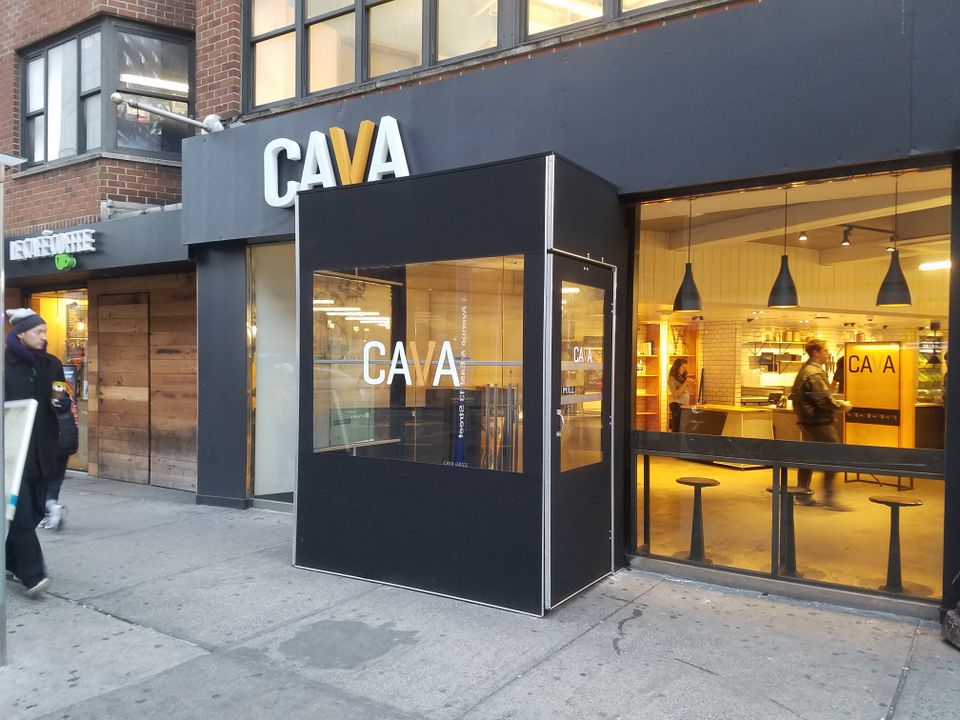
Black framed winter vestibule with a branded front panel enclosing a lit restaurant entrance on a city sidewalk

Designing a vestibule for summer

A summer vestibule has to block heat without turning into a greenhouse. Shade is the first defense. A canopy or awning over the vestibule, or side panels that block low morning and evening sun, keeps direct light off the panels.

Glazing comes next. Clear panels give the best view in and out but let in more heat and glare. Tinted or low-E panels on the sunniest sides cut heat gain while still letting daylight through. A lot of storefronts mix the two, with clear panels facing the street and tinted ones where the sun hits hardest.

Then the vestibule needs to breathe:
  • Side panels or windows that open on mild days
  • Transoms or vents up high so rising hot air can escape
  • Vents on opposite sides so air can pass straight through
  • A small fan where passive venting isn't enough

Humidity is the other summer problem. When cooled air from inside meets humid air from outside, moisture collects on the panels and frame. You end up with fogged panels, water on the frame, and wet mats by the door. Overhangs, drip edges and sloped sills keep rain off. Keeping the air conditioning from blowing straight into the vestibule, and checking drains and seals during the season, keeps condensation down.
See Our Vestibules

Planning around the sidewalk and the calendar

Anything built onto a New York City storefront has to fit the street it sits on. Sidewalks are often narrow, neighbors share the facade, and people walking by need a clear path past the door. City rules limit how far a structure can stick out over the sidewalk and how much clearance it has to leave. Depending on the size and how it attaches to the building, an awning or a vestibule may also need a permit or the landlord's sign off.

Before anything is fabricated, we measure the entrance and work out the door location, the door swing, the sidewalk conditions and how customers come and go.

Timing matters as much as the design. A straightforward awning generally takes a few weeks once the measurements, artwork, colors and materials are settled. If you start in the spring, the shade is up before the first heat wave instead of halfway through the summer.

Frequently asked questions

How does an awning help with summer heat?

It keeps direct sun off the front windows and the doorway. That cuts glare and keeps the area near the door cooler, so the air conditioning works less on hot afternoons.
 

What awning material holds up best in strong sun?

Acrylic and vinyl coated fabrics are the common picks. Both hold their color, handle UV well and clean up more easily than basic canvas. The right one depends on how much sun your storefront gets and the colors you want.
 

Does a vestibule help in summer, or is it only for winter?

It helps in both. In summer it keeps hot air from rushing in when the door opens and gives people a shaded spot to step into first.
 

How do you keep a vestibule from turning into a hot box?

Shade it, and give the air a way through. Panels or windows that open, vents up high for hot air to escape, and openings on opposite sides all help. A small fan covers the hottest days.
 

Why do vestibule panels fog up in humid weather?

Cool air from inside meets humid air from outside, and moisture collects on the cooler panels and frame. Better airflow, and keeping the air conditioning from blowing straight into the vestibule, both cut it down.
 

Should the inner and outer doors line up?

Offset doors slow the flow of air from the street into the store. Doors that line up are easier for people to walk through, but they let more air through unless the entrance is well shaded.

Thinking about shade for your storefront?

Tell us about your storefront and what you have in mind.
We'll follow up to go over options and provide a clear, detailed quote.
Get a Quote