Skip to content

Restaurant Awnings in Brooklyn

What makes diners stop, read your name and walk in.

Your awning is the first thing diners read

People decide on a restaurant fast. On a Brooklyn block packed with options, they glance at a storefront for a second or two and either slow down or keep walking. The awning is usually what they're looking at when they decide.

It sets expectations before anyone sees a menu. Color, shape and lettering all send signals:

 
  • Bright colors and simple fonts read as casual, quick or grab and go
  • Deep tones, rich fabric and refined lettering feel like a bistro or wine bar
  • Soft colors and rounded shapes suggest a neighborhood café or bakery

When the awning doesn't match the logo, the menus and the room inside, people notice. A sleek modern dining room behind a faded, old style awning makes guests wonder whether the place changed hands. A clean, well lit awning tells them someone is paying attention, and to a first time visitor that reads as a well run kitchen.
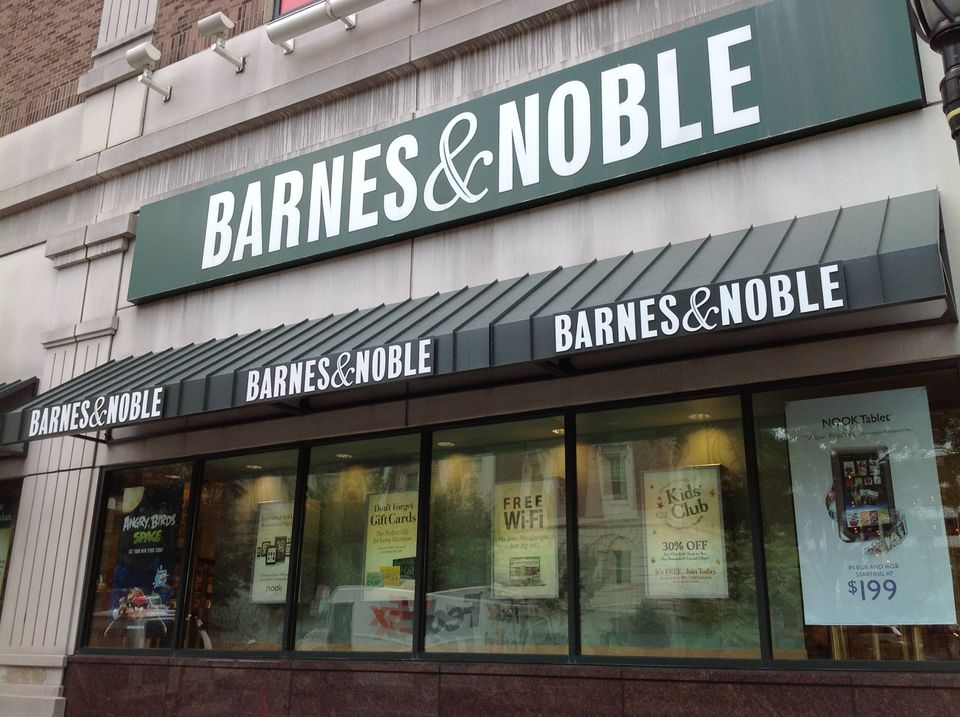
Barnes & Noble storefront with dimensional lettering above printed awning valances

What to put on it

Keep it short enough to read from across the street:
 
  • The restaurant name, large and legible
  • A simple logo that still reads from a distance
  • One short line about the food or the feel, like "Wood-Fired Pizza & Natural Wine"
  • A phone number, website or social handle if there's room, set small and neat

The most common mistake is putting too much on it. Tiny fonts and crowded text turn an awning into wallpaper, and if people can't read it from the other side of the street, it isn't doing its job.

Try a walk-by test. Stand 30 to 50 feet away and ask yourself whether you can read the name and the cuisine in about three seconds, whether it looks clean and cared for, and whether it's bright enough after dark without glare.

Four awning myths worth ignoring

A plain awning is the safe choice

Owners pick a neutral color with a small logo, hoping it will be easy to get approved. On a busy street, that awning disappears, and new guests and delivery drivers struggle to find the door. Simple should mean clean and clear: strong contrast between fabric and lettering, a name placed so it can be seen from both directions, and letters sized to read from across the street.


Any fabric will do

New York is hard on the wrong material. Sun fades cheap fabric, humidity feeds mildew, storms stress weak seams, and snow adds weight. Ask how the fabric behaves, not just how it looks. You want UV resistance, water repellency, mildew resistance and a surface that cleans easily. The frame and hardware need to be just as sturdy.


Bigger and brighter is always better

An awning that tries to shout usually gets harder to read. Too large or projecting too far can run into city rules and complaints, and very bright colors or lighting can clash in a historic district. The awning should fit the proportions of the facade, the color should support the brand without fighting the block, and the lighting should make the entrance glow without blinding anyone.


Awnings are just for shade

Shade and rain cover matter, but a good awning also keeps more outdoor tables usable on days that aren't perfect. That means more covers without more rent. It also tells passersby what you serve, when you're open, and that the place is cared for.
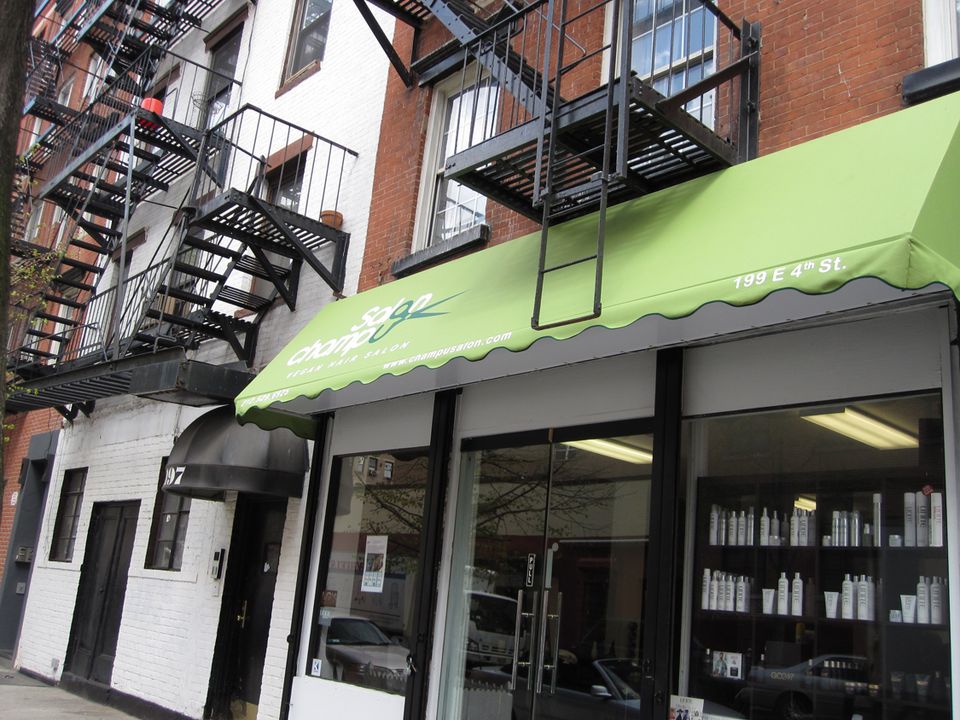
Green storefront awning with printed logo over a salon entrance on East 4th Street in Manhattan

Creative ideas that stay readable

Color is the first thing people notice. Warm reds, rich greens and deep blues all feel appetizing, especially when they match the food and the room inside.

Shape helps a storefront stand out in a row of flat rectangles. Rounded canopies feel welcoming, angled projections frame the entrance, and layered fronts add depth. Small graphics tell the food story without crowding things, whether that's an icon of a key ingredient, a line drawing of a signature dish, or a pattern taken from the cuisine's culture.

Typography sets the tone. Elegant script hints at a slow, special meal. Clean sans serif letters feel modern and casual. Vintage or hand drawn styles suggest comfort and history.

It's also worth planning for photos. Think about how the awning looks from across the street, from the corner and from right underneath. A small detail at the entrance, like a branded door, a row of plants or a short neon tagline, gives guests an arrival shot worth posting.
See Our Awnings

An awning that works in every season

In summer, shade and the right fabric keep outdoor seats cooler, so guests stay longer and order the extra drink or dessert. High contrast colors and clean graphics pop in bright daylight and look good in photos.

After dark, soft warm light under and around the awning helps new guests find the door, helps delivery drivers spot the right entrance, and keeps the logo readable. A lit awning works like a small billboard for anyone walking by late at night or early in the morning.

For specials, skip permanent text. Small rails or hardware along the edge let you hang seasonal signs for summer menus, happy hour or weekend brunch, while the name and logo stay clear.

When it gets cold, pairing the awning with a vestibule at the door cuts drafts, keeps the host stand comfortable, and gives takeout and delivery customers a dry spot to wait. Planning for side panels or an enclosure from the start makes that easier to add later.

Materials, rules and upkeep

Fabric gives a warm look and lots of color options. Vinyl brings strong weather resistance and bold color. Metal looks modern and permanent and works well with lighting. Whatever you choose, details like the right pitch for drainage, a frame strong enough for snow, and room for lighting or cameras are easy to overlook and matter for years.

Brooklyn has real rules about how far an awning can project over the sidewalk, how high it has to sit, and how it can be lit. Historic and landmark areas add more steps, and the landlord usually has a say too. Working with a local team that knows the Department of Buildings process and the neighborhood keeps the project from stalling.

A simple cleaning rhythm keeps the awning looking new:

 
  • Mid summer, to clear pollen, grime and city dust
  • Fall, after leaves and debris build up
  • After winter, to remove salt and slush stains
 
Fix small tears, faded spots and loose hardware before the busy season, not during it. Sometimes a new fabric skin on the existing frame, or updated graphics, is all it takes to make an older storefront look current.

Frequently asked questions

How can an awning bring in more walk-in customers?

It puts your name, logo and cuisine where people on the sidewalk can see them, and it creates a shaded, comfortable spot at the entrance or over outdoor seating. Both make people more likely to stop.


What should go on a restaurant awning?

The name in large lettering, a simple logo, and a short line about the food or the feel. A phone number, website or social handle can go on if there's room, but keep the text minimal.


What's the best fabric for a restaurant awning in New York City?

Look for fabric that's UV resistant, water repellent, mildew resistant and easy to clean. That combination holds up against strong sun, humidity, rain, street dirt and winter weather.


How do I pick colors and fonts people remember?

Choose colors that feel appetizing and match your food and interior, like warm reds, rich greens or deep blues. Match the lettering to the style of the place: script for fine dining, clean sans serif for modern casual, vintage styles for comfort food.


How big should a restaurant awning be?

Big enough for visibility and weather protection, but not so big that it overwhelms the storefront or projects farther than city rules allow. The facade, the sidewalk, wind exposure and any historic district rules all factor in.


Is an awning useful at night or in bad weather?

Yes. With lighting underneath or backlit graphics, it keeps the restaurant visible after dark, and it gives arriving guests and pickup customers cover from light rain.

Ready for an awning diners remember?

Tell us about your restaurant and what you have in mind. We'll follow up to go over options and provide a clear, detailed quote.
Get a Quote