Skip to content

Planning a Storefront Vestibule for NYC Restaurant Openings

Learn how to plan a storefront vestibule for restaurants in NYC, from code requirements to materials, layout, and installation timing for openings

Turn First Impressions Into Reservations

Opening a restaurant in New York City comes with a lot of pressure. There is heavy foot traffic, endless options on every block, and people making split-second choices about where to eat. Your entrance has to work hard from day one, so guests feel confident stepping inside.

A storefront vestibule for restaurants in NYC can be a big part of that first impression. It signals warmth, care, and comfort before anyone even touches the door. When guests see a clean, well-designed enclosure, they feel like the space is ready, organized, and worth a try. At SignIt NY, we design, build, and install custom vestibules, signs, and awnings out of Brooklyn, and we see every day how much the front entrance sets the tone.

In this guide, we will walk through why a vestibule matters, how it ties into city rules, and what to think about for design, timing, and daily use. The goal is simple: help your opening feel smooth, warm, and welcoming, no matter what the weather is doing outside.
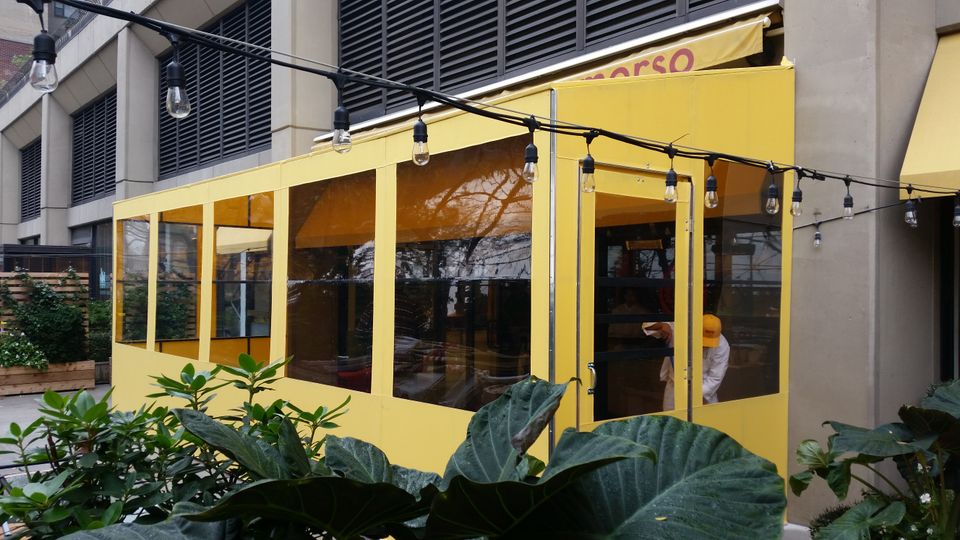
Yellow seasonal vestibule with clear vinyl panels enclosing a restaurant entrance Morso in New York City

Why New NYC Restaurants Need Vestibules

For a new restaurant, the door is not just a way in and out. It is the first touchpoint of your guest experience. A vestibule turns that small area into a protected, comfortable zone that supports service instead of fighting against it.

A storefront vestibule for restaurants in NYC can help you:

 
  • Cut down cold drafts rushing into the dining room
  • Keep guests dry as they wait to be greeted
  • Make the entrance feel more polished and intentional

On cooler evenings, a vestibule helps extend the feel of the season. People are more likely to stop when they see a dry, wind-blocked entrance instead of a bare door that blasts cold air on anyone sitting near it. Hosts can stand comfortably at the front, speak clearly with guests, and manage reservations without shivering or juggling umbrellas.

There are also safety and operations benefits:

 
  • Less rain and slush tracked across your floors
  • Fewer slippery spots near the host stand
  • A clearer line area for walk-ins and takeout pickup

For opening week, this matters a lot. You want staff focused on service and hospitality, not fighting with wet floors, stuck doors, or people crowding around the entrance.

NYC Rules and Building Requirements

In New York City, vestibules have to work with the street, the building, and the rules that control public space. Planning early helps you avoid surprises that delay installation or upset neighbors and landlords.

Some key points to think about include:

 
  • Sidewalk clearance so pedestrians still have a clear path
  • Maximum depth of the enclosure so it does not stick out too far
  • Door placement and width that keep the entrance accessible

You also need to think about how the vestibule lines up with your existing door and hardware. The swing of both doors has to work together so that guests are not stuck between, and so people using mobility devices or strollers can move smoothly through.

Seasonal and semi-permanent vestibules can be treated differently. Many restaurants add their vestibules as the weather gets colder, but planning during opening season means you need to think ahead to winter rules and any changes related to outdoor dining programs. What works on a quiet side street might not be allowed on a narrow sidewalk in a busy part of Brooklyn or Manhattan.

Working with a local fabricator who understands NYC conditions is helpful. At SignIt NY, we pay attention to how vestibules interact with storefront signs, awnings, and building façades, so the whole entrance looks like one complete thought instead of separate add-ons.

Designing a Vestibule That Fits Your Brand

A good vestibule does more than block wind. It should feel like a natural extension of your restaurant’s look and energy. The right materials and layout can make that small space feel inviting and on-brand.

Common material choices include:

 
  • Clear vinyl panels for maximum visibility and a lighter look
  • Glass and aluminum frames for a cleaner, more structured feel
  • High-quality fabrics that tie in with your awning color and style

From there, you can bring in branding details. Logo placement on panels, colors that match your interior, and typography that lines up with your main sign all help the vestibule feel intentional. When people walk by, they should see one consistent story from the awning to the windows to the front enclosure.

Practical design decisions matter just as much:

 
  • Door swing direction that works with sidewalk traffic
  • Entry width to support ADA accessibility
  • Weather strips that help seal out drafts and water
  • LED lighting inside the vestibule so guests can see menus and the host

Sightlines are also important. You want passersby to see a lively dining room, not just a closed box at the front. Clear panels, well-placed lights, and careful framing let people glimpse the action inside, which can nudge them to stop, check the menu, and book a table.
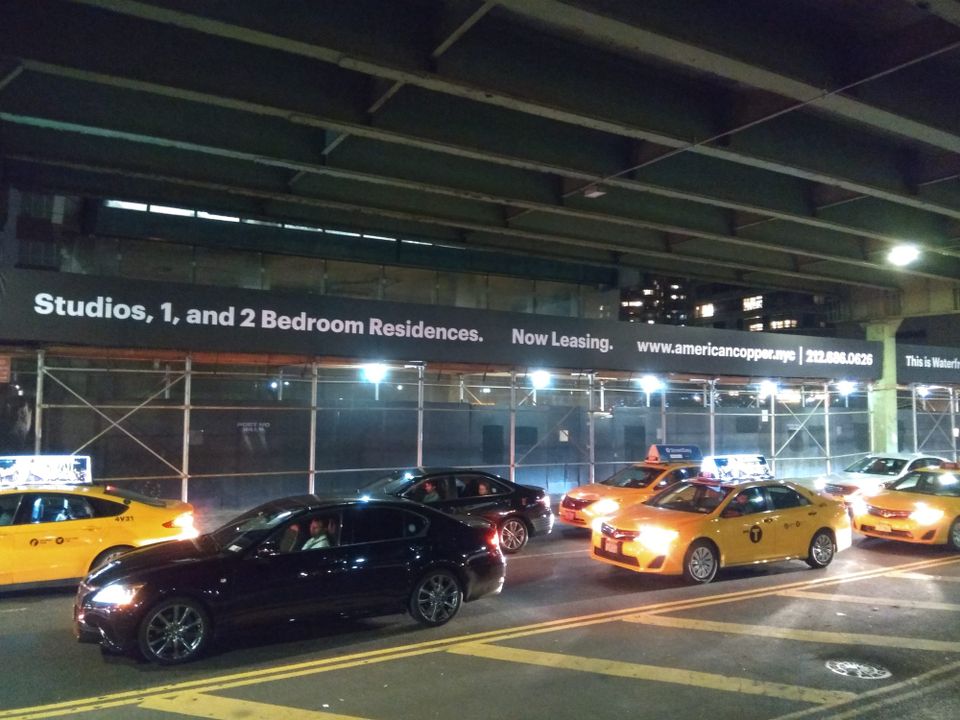
Long printed leasing banner for American Copper running along a lit scaffold beneath an elevated roadway at night, with taxis passing in front

Planning Timelines and Budgets for Fall Openings

For restaurants aiming to open in the fall, timing your vestibule planning is key. This is not a last-minute detail you want to scramble over while training staff and finalizing menus.

A typical process often includes:

 
  • Site visit and measurements of the storefront
  • Concept and layout ideas based on your branding and space
  • Landlord review and building management feedback
  • Design refinements and approvals
  • Fabrication and final installation

Each step takes time, especially if your landlord or building has its own review process. Starting early means the vestibule is ready when you open or shortly after, instead of showing up halfway through the first cold snap.

Budget planning should consider:

 
  • Overall size and footprint of the vestibule
  • Choice of materials and level of transparency
  • Custom logo work and branding details
  • How it will tie into your existing awning or sign setup

Restaurants also need a plan for daily care. Think about how you will clean panels during slushy weather, where a seasonal vestibule will be stored if it comes down in warmer months, and how the host stand layout will change once the vestibule is in place. Staff need clear paths in and out, plus space for guests waiting for tables and picking up orders.

Make Your Opening Night Feel Warm and Welcoming

A well-planned storefront vestibule for restaurants in NYC supports your opening in quiet but powerful ways. It keeps guests comfortable in unpredictable fall weather, protects your dining room from drafts and puddles, and makes your entrance look clear, warm, and ready.

As you plan your new space, take a fresh look at your entryway. Notice how people move on the sidewalk, where they might line up, and how your façade feels during a chilly evening or steady rain. When your vestibule, awning, and storefront sign all work together, your restaurant tells a strong, confident story from the very first glance. At SignIt NY, we focus on that full picture, helping New York restaurant owners create entrances that feel coordinated, compliant, and truly guest-ready from day one.

Get Started With Your Project Today

Enhance your entrance with a custom storefront vestibule for restaurants in NYC that keeps guests comfortable and reflects your brand from the moment they arrive. At SignIt NY, we work closely with you to design and install a solution tailored to your space, traffic, and building requirements. Reach out to our team to discuss your goals, explore material and style options, and get a clear project timeline. If you are ready to move forward or have questions, simply contact us and we will help you take the next step.
Get a Quote