Skip to content

Manhattan Restaurant Lease Clauses for Vestibule Enclosures: A Negotiation Guide

Learn how to negotiate lease terms, DOB duties, insurance, and restoration for a restaurant vestibule enclosure in Manhattan and avoid costly disputes

Lease Clauses That Make or Break Winter Vestibules

A restaurant vestibule enclosure in Manhattan is that enclosed entry box you walk through before stepping inside. It blocks wind, snow, and cold air from blasting the host stand and the first few tables. For many restaurants, it also becomes a mini billboard on the sidewalk, shaping the first impression guests get from the street.

For cold months, that enclosure is not just a design choice. It affects guest comfort, staff comfort, table turnover, and how long people are willing to linger. It can also change how the front door works, how the line forms, and how visible your branding is from passing foot and car traffic.

But even a simple seasonal vestibule sits inside a web of lease language, DOB rules, landlord consent, and sidewalk and health rules. If you do not plan for those pieces early, your vestibule can get delayed, downsized, or pulled down right when you need it most.

Here, we walk through the key lease topics to flag with your attorney before you sign or amend a Manhattan restaurant lease. As a Brooklyn-based custom sign and vestibule company, we at SignIt NY see the legal side and then live with the build side, so we focus on what actually affects deadlines, budgets, and winter openings.
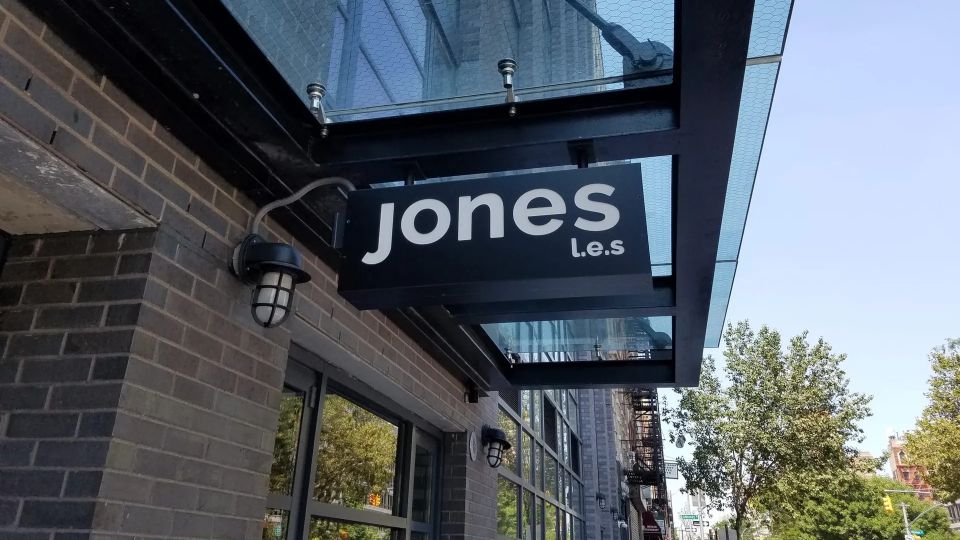
Black blade sign reading Jones L.E.S. hanging beneath a glass entrance canopy beside a wall light on the Lower East Side

Locking in Landlord Consent Before You Sign

In many Manhattan restaurant leases, your right to install a vestibule sits across several clauses at once. It often touches:
 
  • The alterations clause
  • The signage and awning clause
  • Building rules and design standards
  • Any separate storefront or facade rider

If one of those sections is strict, it can quietly block your restaurant vestibule enclosure in Manhattan even if no one says “no vestibules” out loud.

Key points to get in writing:

 
  • Express permission for a vestibule, awning, and related signage at the main entrance
  • A standard that approvals will not be unreasonably withheld, conditioned, or delayed
  • A clear review process and timelines, with “deemed approved” language if the landlord never replies

It often helps to attach an exhibit that shows:
 
  • Sample drawings and basic dimensions
  • Likely materials and main colors
  • General lighting and signage zones

You also want to be clear on questions like:
 
  • Does the landlord agree to cooperate with DOB, Landmarks, or neighborhood approvals?
  • Is consent one-time, covering future seasonal reinstallations, or do you need fresh consent every year?

Try to avoid language that gives the landlord “absolute discretion” or lets them order removal at any time, for any reason, with no default on your side. That kind of clause makes it very hard to rely on a vestibule for stable cold-weather revenue planning.

Who Owns DOB Filings, Violations, and Sidewalk Rules

Many Manhattan leases put almost all DOB and code work on the tenant. That often includes any restaurant vestibule enclosure in Manhattan, plus lights, heaters inside the enclosure, and any attachment to the building facade.

You and your attorney should look closely at who is responsible for:

 
  • Preparing DOB drawings and filing permits
  • Paying filing fees, inspections, and sign-offs
  • Getting Landmarks, Community Board, or special district approvals if needed
  • Clearing violations tied to the vestibule, entrance, or sidewalk frontage

Sidewalk and Department of Health rules add another layer. Your vestibule layout has to respect:
 
  • Minimum clear pedestrian passage on the sidewalk
  • Any ADA access needs at the entrance
  • The way your vestibule lines up with outdoor dining setups or curbside programs

When you negotiate, it often helps to ask that the landlord or their architect handle any base-building issues, like hidden structural steel, old storefront supports, or unusual facade conditions. You can also seek:
 
  • Limits on your liability for preexisting violations or unpermitted work you did not create
  • A clear duty for the landlord to sign PW-1s, letters of authorization, and other forms in set time frames

That cooperation piece is key. Without quick signatures and access, even the best vestibule plans can miss the start of the cold season.

Insurance, Indemnity, and Risk Shifting for Enclosures

Most commercial leases in Manhattan shift a lot of risk to the tenant for “all alterations.” In practice, that often covers your restaurant vestibule enclosure in Manhattan, the canopy or awning at the door, and any front-of-house lighting or signage tied to that area.

Risks to think through include:

 
  • Slip-and-fall claims on wet or icy vestibule flooring
  • Wind damage that rips part of the enclosure or sends debris into the sidewalk
  • Damage to the building facade during installation or removal
  • Complaints from neighbors or passers-by about blocked views or access

Points to negotiate with your legal team:
 
  • Limit your indemnity to harm caused by the tenant’s or tenant’s contractors’ negligence
  • Make clear that the landlord’s own acts or building defects are not your problem
  • Confirm with your insurance broker that your general liability and umbrella policies clearly cover the vestibule, entrance work, and related signage

It often helps to build in practical vendor language too:
 
  • List that contractors must carry insurance and name both landlord and tenant as additional insureds
  • Ask the landlord to pre-approve qualified, insured vendors so you are not stuck mid-project
  • Send your insurance broker the exact lease wording about vestibules before they finalize your policy

That way, no one is surprised when a claim touches both the enclosure and the main building structure.
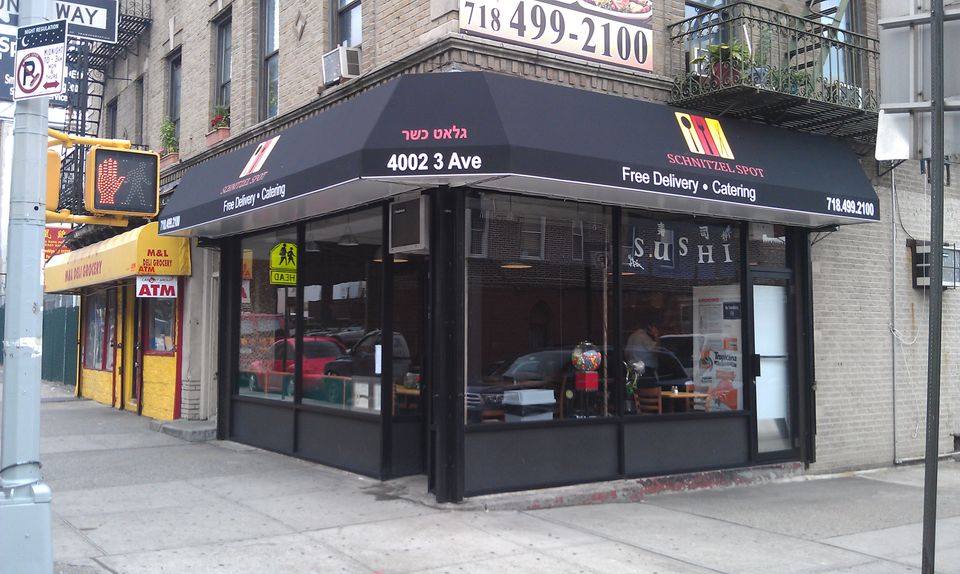
Black corner awning wrapping two sides of the storefront.

Removal, Restoration, and Planning for Lease-End Costs

How your lease handles removal and restoration can change the real cost of a restaurant vestibule enclosure in Manhattan over the life of the deal. A vestibule that feels affordable at the start can become a much bigger hit if you have to remove it, patch the facade, and repair sidewalk finishes all at once.

Good topics to spell out include:

 
  • Whether the vestibule is seasonal, permanent, or a mix of both parts
  • Who pays for off-season removal, storage, and reinstallation
  • Clear restoration standards, like returning the frontage “to substantially the same condition as on the Commencement Date, ordinary wear and tear excepted”

Timing matters too. Your lease can address:
 
  • How long after lease expiration you have to remove the enclosure
  • Whether an incoming tenant or the landlord can keep and reuse the vestibule
  • How a buyout or transfer of the enclosure might work if the next tenant wants it

Try to negotiate carve-outs so you do not have to remove improvements the landlord required or installed. You can also talk with your attorney about:
 
  • Caps on restoration costs related to the entrance
  • Shared responsibility for any DOB or sidewalk reinstatement that benefits the whole building

That planning makes it easier to budget for the enclosure over the full lease term, not just the first winter.

Winning Tenant Improvements, Rent Credits, and Real Dollars

Your lease is also your best chance to get financial help from the landlord for your vestibule. Tenant improvement allowances, cash contributions, and rent credits can all be pointed toward a restaurant vestibule enclosure in Manhattan and the related entrance work.

Some strategies to consider:

 
  • Ask for a specific minimum dollar amount earmarked for storefront, vestibule, and signage work
  • Set up flexible payment terms, like progress payments or reimbursements after paid invoices, so your fabricator and installers stay on schedule
  • Tie part of the allowance to clear milestones like DOB approvals or substantial completion

You can also use rent concepts as a safety net:
 
  • Free rent during build-out that covers likely approval and construction time
  • Extra rent credits if landlord approvals for the vestibule slip past agreed target dates and cut into your cold-weather start

When talking with the landlord, it helps to highlight how a strong vestibule helps them too. A well-designed entrance enclosure can:
 
  • Improve the building’s street presence
  • Help cut drafts into a shared lobby or hallway
  • Support a higher quality retail mix on the block

That shared benefit often makes landlords more willing to put real money behind your entrance plan.

Turn Your Lease Into a Winter-Ready Entry Plan

Before you commit to a space, it is worth sitting down with your attorney and walking through a simple checklist tied to your restaurant vestibule enclosure in Manhattan. Key topics include:
 
  • Express, written consent for a vestibule, awning, and entrance signage
  • Clear DOB, Landmarks, and sidewalk responsibilities and cooperation duties
  • Insurance and indemnity language that fits your coverage
  • Detailed removal and restoration rules and cost limits
  • Defined tenant improvement support and rent concessions linked to entrance work

Good timing makes everything easier. When you start design and lease review early, approvals, permits, and fabrication do not have to be rushed right as temperatures drop and guest patterns shift. From our shop in Brooklyn, we see how much smoother projects run when legal language, technical drawings, and installation plans all line up from the start. With that kind of planning, your vestibule can be ready for the first cold snap, look on-brand, and work cleanly with the rules on your block.

Get Started With Your Project Today

Elevate your curb appeal and protect your guests from the elements with a custom Restaurant vestibule enclosure in Manhattan designed and installed by SignIt NY. We work closely with you to match your branding, meet local requirements, and ensure a durable, professional finish. Ready to talk specifics or get a quote for your location? Simply contact us and our team will guide you through every step.
Get a Quote