Skip to content

How NYC Restaurant Awnings Improve Guest Flow: Visibility, Queues, Host Stands

Learn how a restaurant awning in NYC boosts entry visibility, manages lines, and supports smarter host stand placement for smoother service

Make Your Front Door Work Harder This Winter

Cold air, early sunsets, and messy sidewalks change how people move through the city. For restaurants, that means the way guests find, approach, and enter your door matters even more. If someone is shivering on the curb or unsure which door to pull, their first impression of your place is already slipping.

A well-planned restaurant awning in NYC is not just a pretty cover over the entrance. It acts like a sign, a guide, and a tiny shelter, all at the same time. The right awning can tell guests where to go, where to wait, and how to move without blocking the sidewalk.

In this post, we are looking at how awning design affects three big things: how clearly people see your entry, how lines form and move, and where your host stand or pickup station actually works best. Small changes at the front can create smoother service all night long.
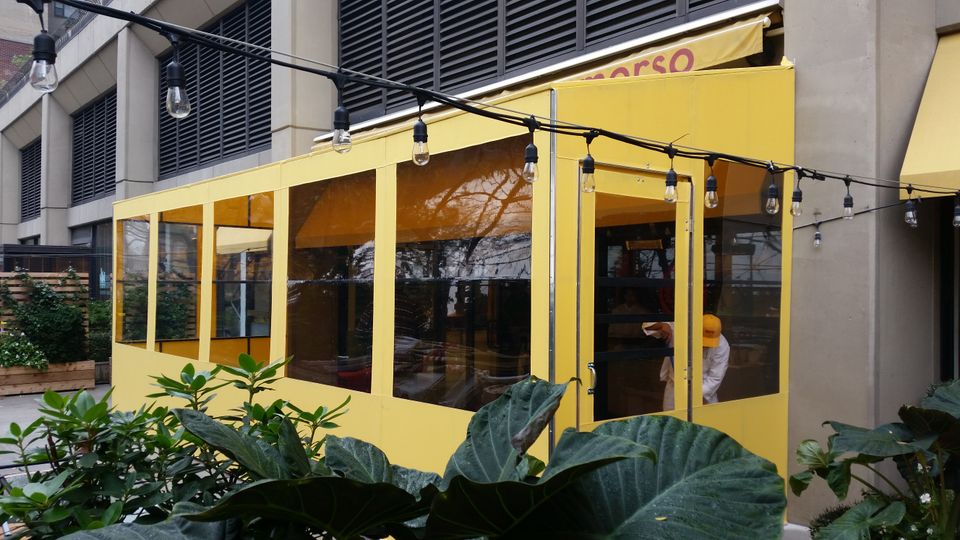
Yellow seasonal vestibule with clear vinyl panels enclosing a restaurant entrance Morso in New York City

Turning Heads on the Sidewalk With Clear Entry Visibility

On a busy New York block, people do not stand still and study every storefront. You get a quick glance from a person walking by or sitting in a car. Your awning has to do a lot of work in that one second.

A few design choices help your entrance stand out fast:

 
  • Strong contrast between awning color and building façade
  • Large, clean lettering that is easy to read from across the street
  • Simple, bright lighting that makes the doorway glow after dark

When the projection depth and height are planned well, the awning frames the door like a spotlight. The human eye is drawn to that frame. Instead of guests tugging on a locked side door or hovering by a big front window, they move straight to the true entry.

In NYC, this matters for:

 
  • Ride-share drop-offs where people are scanning from a car
  • Delivery drivers who need to find the right door fast
  • Crowded sidewalks where your storefront is half blocked by other people

A bold, well-lit restaurant awning in NYC cuts through all the visual noise around it. On dark winter afternoons or rainy nights, the right awning can make your door feel like the only clear target on the block.

Using Your Awning to Organize Lines and Waiting Areas

Once guests have found your door, the next challenge is where they stand. A loose line that snakes across the sidewalk can annoy neighbors, confuse new arrivals, and catch the attention of inspectors.

The size and shape of the awning can quietly tell people where to queue. When coverage matches the natural place people want to stand, the line falls into place. For example, a longer projection or a slightly wider awning can signal, “Wait here, not out in the street.”

You can reinforce that with simple tools:

 
  • Sidewalk markers or decals under the awning span
  • Stanchions that sit just inside the awning footprint
  • Planters that create a gentle “lane” toward the host stand

This is especially helpful for:
 
  • Walk-in lines on busy nights
  • Separate queues for takeout or event check-in
  • Locations close to corners, bus stops, or subway stairs

In cold or wet weather, guests get restless if they feel exposed. Pairing an awning with a vestibule enclosure lets people wait under cover without crowding the actual doorway. The awning can shield the outer part of the line from wind and drizzle, while the vestibule gives a second layer of comfort closer to the door. That structure keeps the line tight, clear of neighbors, and far more patient.

Smarter Host Stand and Pickup Station Placement

Host stand placement is not just an interior design question; it starts outside. Your awning coverage and sightlines should shape where you put that first greeting point.

When staff can see guests approaching under the awning, they can:

 
  • Step out to welcome them before the doorway clogs
  • Direct them to the right queue, dine in or pickup
  • Keep the flow moving instead of letting clusters form at the threshold

Think about separating dine-in entry from pickup and delivery. The awning’s footprint can hint at two approach paths. For example, one side of the awning can align with a dedicated pickup door or window, while the other side leads straight to the main entrance where the host is watching.

Vestibules and door swings also fit into this picture. An awning that covers the vestibule entry lets you keep the host stand close to the inner door without cold air blasting in. At the same time, you keep pathways clear for:

 
  • ADA access and stroller movement
  • Staff carrying trays or bussing bins
  • Delivery drivers popping in and out quickly

When these elements work together, guests never feel lost at the door. They simply follow the covered path and see staff ready for them.
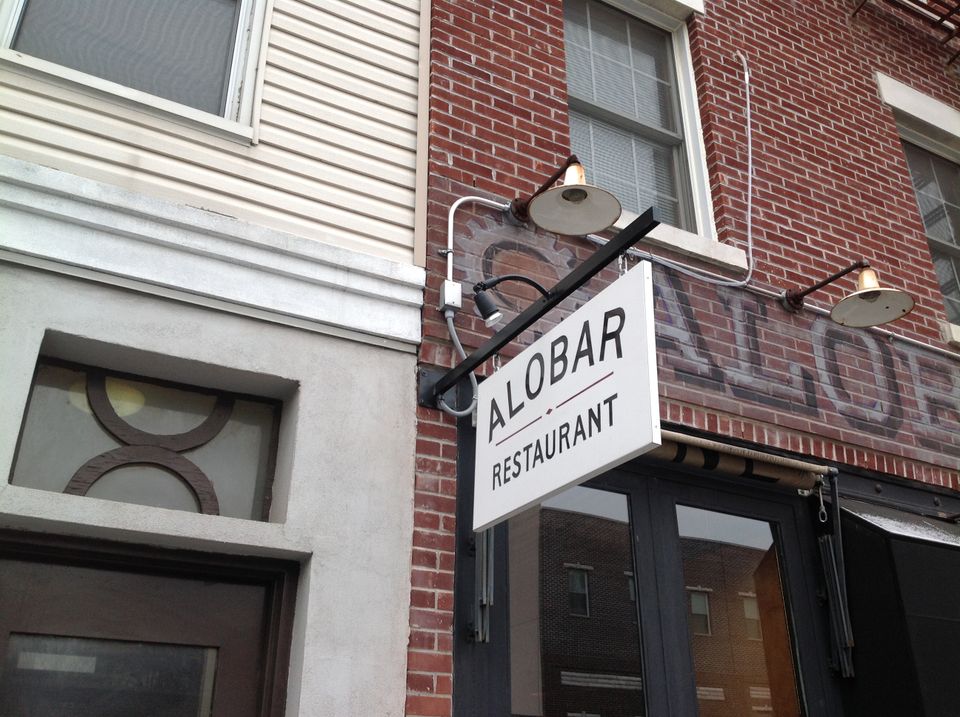
White rectangular blade sign on a black bracket with gooseneck lights above a restaurant entrance

Weather, Seasons, and the Year-Round Guest Experience

A restaurant awning in NYC plays a different role in different seasons. In late fall and winter, it blocks wind, sleet, and that damp chill that hits right at the doorway. In spring and summer, the same awning can cut harsh sun and glare so guests are not squinting as they step in.

For year-round comfort, pay attention to:

 
  • Durable fabrics or rigid materials suited for repeated freeze and thaw
  • Strong framing that can handle snow and gusty wind
  • Drainage and pitch so water does not pour off the front edge onto guests

Salt, grime, and general street wear are also part of city life. A design that holds up to cleaning and still looks sharp in bright summer light will protect your brand as much as your guests. When people know they can arrive, wait, and enter without getting soaked or blasted by wind, they are more likely to keep their reservation on stormy nights.

That consistent, sheltered entry flow pays off in smoother service. Hosts stay calmer, guests feel taken care of from the first step, and the mood at the door sets the tone for the rest of the meal.

Plan Your Next Awning to Support Service, Not Just Style

A good first step is to walk your own sidewalk like a guest. Come from the subway, from a rideshare drop-off, and from across the street. Notice:
 
  • Where you hesitate or wonder which door to use
  • Where people might block the sidewalk while waiting
  • Where you feel the most wind, rain, or strong sun

Those small friction points often point to problems that an updated awning and vestibule can solve. The goal is not just a nicer-looking entrance, but a front door that quietly supports how your team works.

A NYC-focused sign and vestibule partner can help align the look of the awning with the flow of people, the placement of the host stand, and local code needs. At SignIt NY, based in Brooklyn, we think about storefront signs, awnings, and vestibule enclosures as one connected system. When all three are planned together, your restaurant entrance can look sharp, handle the weather, and move guests smoothly, season after season.

Get Started With Your Project Today

Ready to upgrade your curb appeal and protect your outdoor dining space with a custom solution from SignIt NY? Explore your options for a restaurant awning in NYC and see how the right design can draw in more guests and improve comfort. If you are ready to discuss your vision, get a quote, or ask questions, simply contact us and we will help you plan the perfect awning for your restaurant.
Get a Quote