Skip to content

Brooklyn Nor’easter Vestibules: Mat Wells, Slush Staging, Maintenance Plans

Learn how a storefront vestibule in Brooklyn manages snow, slush, and entry mat wells, plus simple maintenance plans for small storefronts all season long

Turn Your Brooklyn Entry Into a Nor’easter Shield

A nor’easter does not care how small your shop is or how nice your floor looks. When wet snow blows sideways down the block, it follows every customer straight through your front door. In a few minutes, you can end up with slick tile, crowded guests trying not to slip, and a soggy mess near your display tables or coffee counter.

A well-planned storefront vestibule in Brooklyn turns that chaos into control. A vestibule is simply a small enclosed entry space between the outside door and your main interior. It acts like a weather buffer, catching wind, cold air, snow, and slush before they spread through the rest of your space. For small storefronts, this is not a luxury; it is a smart layer of protection.

In our experience, a storm-ready vestibule comes down to three things: good mat wells, smart snow and slush staging, and a maintenance plan that a small team can actually stick to. At SignIt NY, we design, build, and install vestibules that fit tight Brooklyn sidewalks and real winter conditions, so small businesses can stay open and safe when the weather turns ugly.
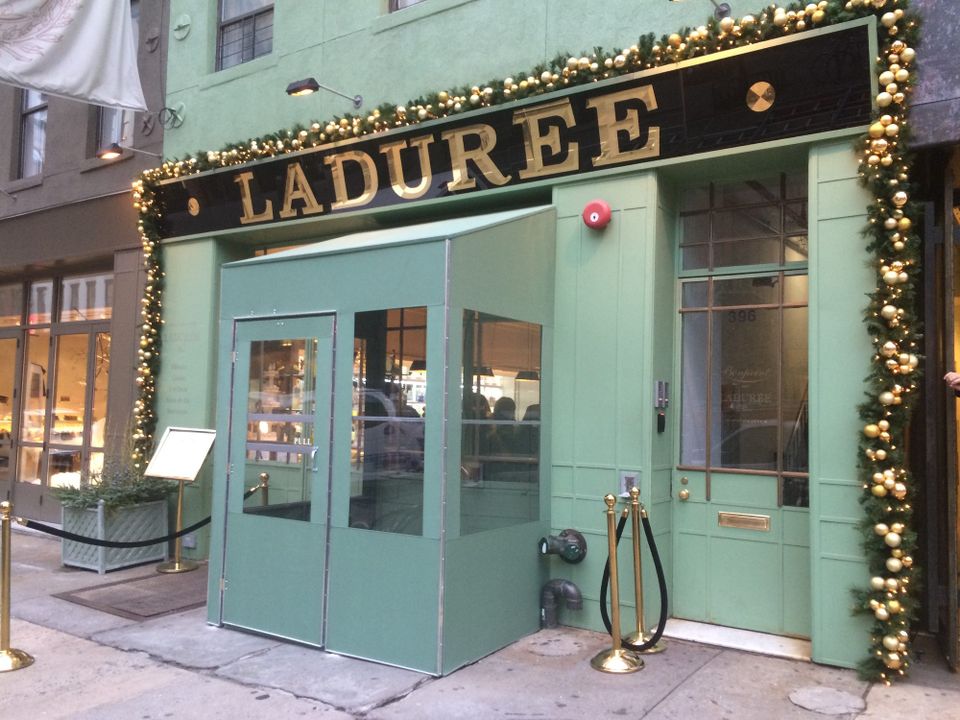
Mint green custom vestibule with glass panels and a double door at the Ladurée storefront, matched to the facade color beneath gold dimensional lettering

Why Nor’easters Wreak Havoc on Small Storefronts

Nor’easters throw heavy, wind-driven snow and icy slush against doorways. On a narrow Brooklyn sidewalk, that mess has only one place to go, straight into your store. With every step, people track in more water, grit, and salt. In a small entrance, it does not take long for the floor to feel like an ice rink.

Those wet floors bring hidden costs, including:

 
  • Slip and fall risks right inside the door
  • Damage to wood, laminate, or unfinished concrete floors
  • Extra staff time spent mopping and putting down makeshift mats
  • Lost sales when people see a dirty, soggy entrance and keep walking

Brooklyn adds a few special challenges. Many storefronts share building entries or have recessed doors that collect snow. Sidewalks are tight, so you cannot block the path with big rubber mats or piles of boots. Independent retailers, salons, cafes, and boutiques often have high foot traffic in a very small footprint, which means any amount of tracked in slush spreads fast.

Without a plan, one storm can undo hours of cleaning and set your staff up for a stressful, messy day.

Designing Smart Vestibules for Tight Brooklyn Entrances

A smart vestibule does not have to be deep or bulky. Even a shallow, code-compliant storefront vestibule in Brooklyn can cut drafts, slow heat loss, and hold a surprising amount of moisture before it reaches your main floor. The key is to design it around your exact doorway, sidewalk, and building constraints.

Some layout choices to think about:

 
  • Single vs double doors, based on your opening and sidewalk width
  • Door swing direction so doors do not block pedestrians or each other
  • Clear, direct path to the register, host stand, or waiting area
  • Good visibility into the shop so the vestibule feels open and welcoming

Materials and glazing matter too. Clear glass panels help people see activity inside, which pulls customers in and keeps the vestibule from feeling like a box. Framing and hardware should handle salt, grit, and constant use. For small food businesses, finishes that are easy to wipe and resistant to moisture are especially helpful. For boutiques or salons, you might want more decorative metalwork and branded panels that match your signage.

When we design vestibules, we also pay attention to the height of thresholds, interior floor levels, and where mat wells will sit so the whole entry feels smooth underfoot.

Entry Mat Wells That Actually Contain Snow and Slush

Loose mats slide, curl, and bunch up, which is the last thing you want at a busy door during a storm. A mat well is a recessed area built into the floor where a mat or insert sits flush with the surrounding surface. It stays in place, lowers trip risks, and lets moisture fall into the recess instead of spreading across the floor.

To work well, mat wells in a vestibule should:

 
  • Cover the full swing of the door, inside the drip line
  • Be long enough for at least a few steps per person
  • Transition cleanly from outside threshold to interior flooring
  • Be easy to lift and clean without special tools

Material options include carpet fiber inserts for absorption, rubber or scraper-style mats for scraping off heavy snow and salt, and metal grates that let water drop into a drain pan below. A small retail shop may like a fiber insert that matches the interior, while a fast-paced cafe might need a tougher scraper surface that can handle heavy boots and frequent cleaning.

The right choice depends on how many people pass through, how dirty their shoes usually are, and how often your team can clean the wells during the day.
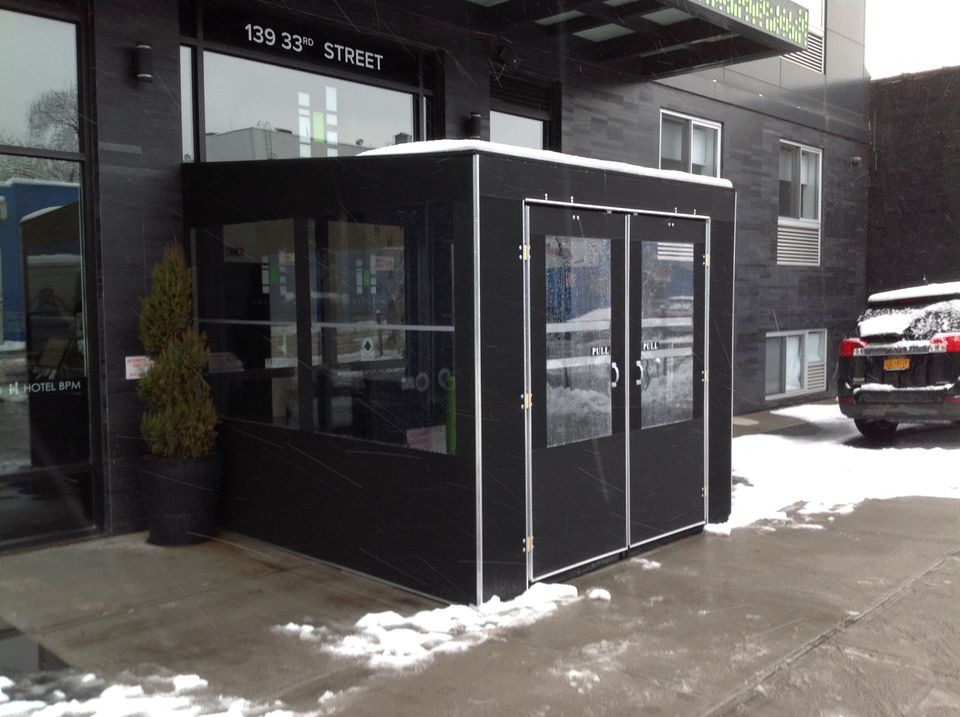
Black framed seasonal vestibule with double glass doors at a New York City building entrance, snow on the sidewalk

Snow and Slush Staging That Keeps Floors Dry

Staging simply means choosing where the mess lands, instead of letting it spread everywhere. In a vestibule, that means setting up clear zones where snow, slush, and water get trapped, dripped, and wiped before anyone steps farther inside.

Practical staging ideas for small spaces include:

 
  • A compact umbrella stand with a drip tray right at the interior door
  • A strip of scraper mat for boots before the main absorbent mat
  • A secondary absorbent runner just inside the inner door
  • A discreet hook or corner for a floor squeegee and towel bucket

Operational habits matter as much as the hardware. During active storms, staff can rotate out saturated mat inserts, put small cones or signs near wet spots, and keep a close eye on the path from the vestibule to the main area. Coordinating with whoever handles shoveling and de-icing outside is also key, because less snow at the threshold means less mess inside your vestibule.

When everything works together, you end up with a first zone where the worst of the snow falls off, a second zone that catches leftover moisture, and a main floor that stays dry and inviting.

Winter Maintenance Plans Small Teams Can Actually Follow

Even the best vestibule and mat wells only perform if they are maintained. The good news is that a simple, clear plan is usually enough for small teams.

A basic checklist can include:

 
  • Pre-season check of doors, seals, and mat well condition
  • Daily quick visual check for puddles, curled edges, and fogged glass
  • Storm-day routine for extra mopping and mat rotation
  • Post-storm check for salt buildup, ice around thresholds, and door drag

You can set sample schedules such as vacuuming and spot cleaning mat wells at closing time, doing a deeper extraction or wash on slower days, and mopping vestibule floors every hour or two during heavy snow. Inserts that are swapped out can be dried on racks in a back room so they are ready for the next storm cycle.

Staff training does not need to be complex. One person per shift can be responsible for the vestibule. They should know what a normal dry floor looks like, when to put out a caution sign, and when a stuck door, warped panel, or damaged mat well means it is time to call a professional. Simple habits keep your entry safer, cleaner, and better looking all winter long.

A well-planned storefront vestibule in Brooklyn, with thought-out mat wells, staging, and maintenance, turns nor’easter days from stressful to manageable. At SignIt NY, we design, fabricate, and install custom vestibule systems that fit small storefronts, tight sidewalks, and real storm conditions, so you can keep welcoming customers even when the snow is flying.

Get Started With Your Project Today

If you are ready to upgrade your curb appeal and protect customers from the elements, let us design and install a custom storefront vestibule in Brooklyn that fits your space and brand. At SignIt NY, we handle everything from concept and measurements to fabrication and professional installation. Share a few details about your location and goals, and we will recommend the best options for your storefront. Reach out through our contact page to schedule a consultation and get a clear quote.
Get a Quote