Skip to content

Awnings vs. Vestibules: Which Do You Need?

What each one does for a New York City storefront, and when it makes sense to have both.

Two ways to protect the front door

A street level business in New York City gets hit with everything. One day it's hot and bright, the next it's windy and pouring. Sidewalks are tight, people move fast, and every storefront on the block is competing for the same quick look.

Awnings and vestibules both protect the entrance, make it more comfortable, and shape how the business looks from the sidewalk. They solve different problems, though. An awning mostly deals with sun, rain and visibility. A vestibule mostly deals with cold air, wind and noise. Here's how to tell which one your storefront needs first, and when it's worth having both.
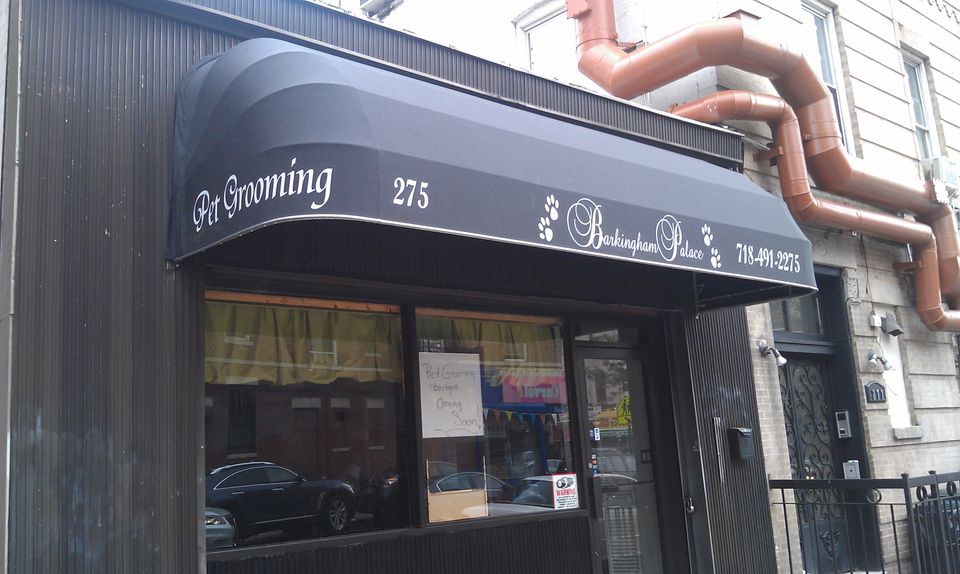
Black storefront awning with white script lettering and a shaped valance on a Brooklyn pet grooming shop

What an awning does

An awning projects from the building over the door, the windows or part of the sidewalk. It can be small and simple or run the whole width of the storefront. Common styles include:
  • Fixed awnings that stay up all year
  • Retractable awnings that extend and pull back
  • Sloped or waterfall styles with a clean angle down from the wall
  • Dome or rounded styles that soften the front of the building
  • Illuminated awnings that stand out at night

Awnings do their best work in the warmer months. Shade at the door keeps people from baking while they wait. Cover over the windows cuts glare and keeps direct sun off the glass, which helps keep the inside cooler and stops window displays from fading.

An awning is also a sign. Your logo, colors and lettering sit right at eye level, and on a crowded block that band of color is often what makes a business easy to spot.
See Our Awnings
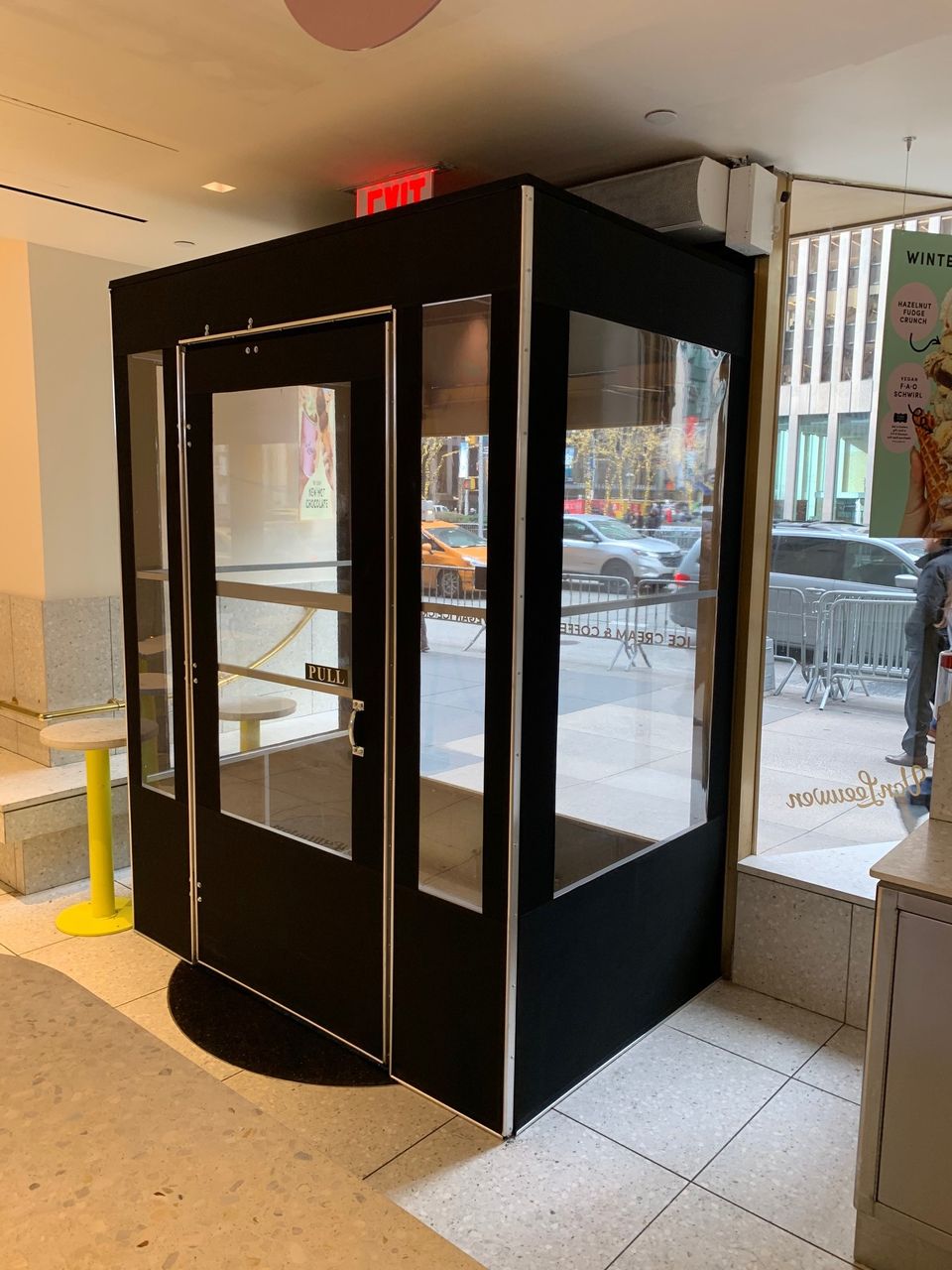
Black framed seasonal vestibule with clear vinyl panels inside a Midtown Manhattan storefront entrance

What a vestibule does

A vestibule is a small enclosure at the entrance that creates a buffer between outside and inside. It can go up for the cold months and come down in spring, or stay up year round, depending on the building and what you need.

In winter it does work an awning can't. The extra door and the pocket of air in between keep heat in and cold out, so guests don't get hit with a draft every time the door opens. Waiting at the host stand, the front desk or the check-in counter gets a lot more comfortable.
 
  • A vestibule also helps with:
  • Street noise at the entrance
  • Wind gusts coming down avenues and side streets
  • Exhaust fumes that would otherwise rush in with the door
  • A little more privacy right at the front door
See Our Vestibules

Which one fits your business

Retail stores and boutiques

An awning frames the window display, protects merchandise from harsh sun, and makes it more comfortable to browse near the front. A small vestibule makes a big difference in winter, so customers don't feel a cold blast every time someone walks in.
 

Restaurants, cafés and bars

Awnings pair well with sidewalk seating, giving shade and cover from light rain while making the entrance obvious. A vestibule at the main door keeps the dining room warm and steady when it's cold and windy outside.


Salons, medical offices and service businesses

People often wait right inside the door, so comfort there matters most. A vestibule adds privacy, so the whole room isn't on display every time the door opens. Whichever you choose, plan it around an accessible entry path and clear movement in and out.

Where to start

If your main goals are shade, a more visible entrance and branding that works all year, start with an awning. If the problem is a cold front room, drafts on the tables near the door or street noise, start with a vestibule.

When budget or space is tight, a lot of businesses start with a branded awning, since it improves visibility and curb appeal right away and gives basic weather protection. The vestibule comes next, once winter comfort moves up the list. Many storefronts end up with both, planned together so they look like they belong to the same building.

Timing helps too. Putting in an awning in early summer gets you the shade during the sunny months and leaves time to plan a vestibule before the temperature drops.

Design, permits and installation

Both jobs follow the same basic path: a site visit and measurements, then design and materials, then fabrication and installation. During design we look at:
 
  • The exact size and shape of the storefront and doorway
  • How far the structure can project while keeping the sidewalk clear
  • Fabric, metal or a mix of materials that suits the brand and the building
  • Colors, lettering and logo placement, so everything matches

New York City has rules on maximum size, clearance for pedestrians, and how close a structure can sit to the curb or the neighbors. Some projects need permits or formal approval, and many need the landlord's sign off, especially in shared or multi-tenant buildings. Landmark buildings can add more restrictions.

Installing in the city takes planning. Crews sometimes work off hours to keep the sidewalk clear, and access, parking and the businesses next door all affect timing. A seasonal vestibule also needs a plan for coming down in spring and going back up in the fall.

Heat, rain, snow and city grime will test every surface. Finishes and fabrics made for outdoor city use, plus regular cleaning and a quick look now and then, go a long way toward keeping an awning or a vestibule looking right.

Frequently asked questions

What's the difference between an awning and a vestibule?

An awning projects from the building and gives shade and rain cover over the door or windows. A vestibule is a small enclosure with an extra door and a pocket of air, which blocks cold drafts, wind and street noise.
 

Do awnings help with heat and glare in summer?

Yes. An awning shades the entrance and keeps direct sun off the glass, which cuts glare, helps keep the inside cooler and slows fading in window displays.
 

Why do NYC restaurants and shops put up winter vestibules?

To keep heat in and cold out when the door opens. That means fewer drafts near the entrance, a more comfortable wait at the host stand or front desk, and less street noise and exhaust coming in.
 

How do I choose an awning style?

Start with the facade, how visible you need to be, and how you want the storefront to look from the sidewalk. Fixed, retractable, sloped, dome and illuminated styles all work in different situations. The materials need to handle wind, rain, snow and city grime.


What rules apply to an awning or vestibule in New York City?

Expect rules on sidewalk clearance, how far the structure can project and how high it has to sit, all to keep the path safe for pedestrians. Landmark and mixed use buildings can add restrictions, and a winter vestibule may also need approval from the city, the landlord or building management.

Not sure which one your storefront needs?

Tell us about your storefront and what's been bothering you at the door.
We'll follow up to go over options and provide a clear, detailed quote.
Get a Quote