Skip to content

Awnings as Brand Landmarks

When an awning becomes the thing people use to find you.

When an awning becomes part of the neighborhood

A good awning does more than block sun and rain. It's often the first thing people notice as they walk down the block, the flash of color or shape that tells them "there it is" long before they can read the name on the glass.

Brooklyn is built for walking. Blocks are tight, storefronts line the sidewalk, and people move at eye level. The same people pass your storefront again and again: coming up from the subway, stepping off the bus, walking the dog, pushing a stroller, riding by in the bike lane. Even when they don't stop, they're taking in your colors, shape and logo.

Over time the awning becomes a shortcut. "Meet me under the red awning on the corner." "It's right next to the black and gold awning." "Walk until you see the green striped awning, then turn." Once people give directions by your storefront, your business is part of how they describe their own neighborhood.
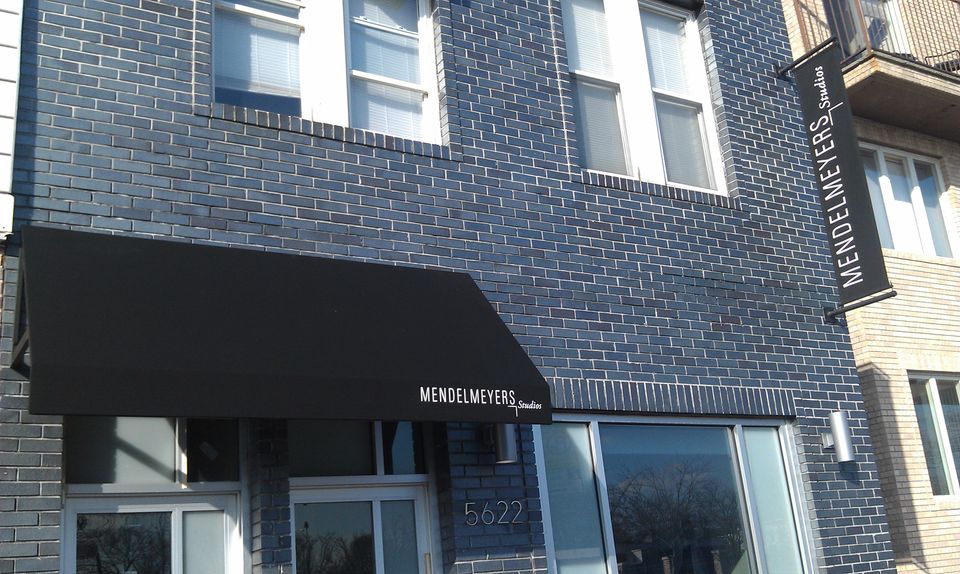
Black shed awning with white lettering and a matching projecting sign.

Designing an awning people remember

An awning meant to work as a landmark has to be designed like one. Start with consistency: it should match the room inside, the menus and packaging, and the logo, fonts and colors people already know from online. When it does, someone who's seen your posts or ordered from you will recognize the place from down the block without reading the name.

The shape sends a signal too:

 
  • Flat awnings feel clean, modern and simple
  • Sloped awnings feel classic and frame the windows
  • Dome or rounded awnings feel boutique, upscale or playful

On a dense street, the silhouette can set you apart as much as the color. A row of flat awnings broken up by one dome or one deep slope always draws the eye.

It also has to read like a sign that never takes a break: large, clear lettering people can read while walking or riding past, strong contrast between fabric and text, and the logo or key words placed where they'll be seen.
View Our Awnings

What a refresh can change

These are typical situations, not specific jobs.
 

A neighborhood boutique

Before: an aging metal awning with chipped paint and a cramped logo, windows covered in flyers, taped signs and mismatched decals, and one harsh spotlight over the door that made the space look smaller at night. After: a simple fabric awning in one brand color with the logo centered on the face and repeated on the sides, window graphics cut back to the name, the hours and one changeable band for new arrivals, and warm gooseneck lights softly lighting the awning and the entrance.


A café heading into summer

Before: no awning at all, just bare glass. Glare made it hard to see in on sunny days, people rushed past in the rain, and after dark it looked half closed. After: a new awning adds weather cover and a band of brand color along the street, simple window strips list the menu basics at eye level without blocking the view, and lighting under the awning shows off the counter and the sign to people walking by.


A project like this runs from a site visit and photos, through design and approvals and any required permits, to production and an install that often takes a day or two short visits. When the budget is tight, start with the awning and the lighting, since those shape your street presence most and work all year. Window graphics can follow in stages.
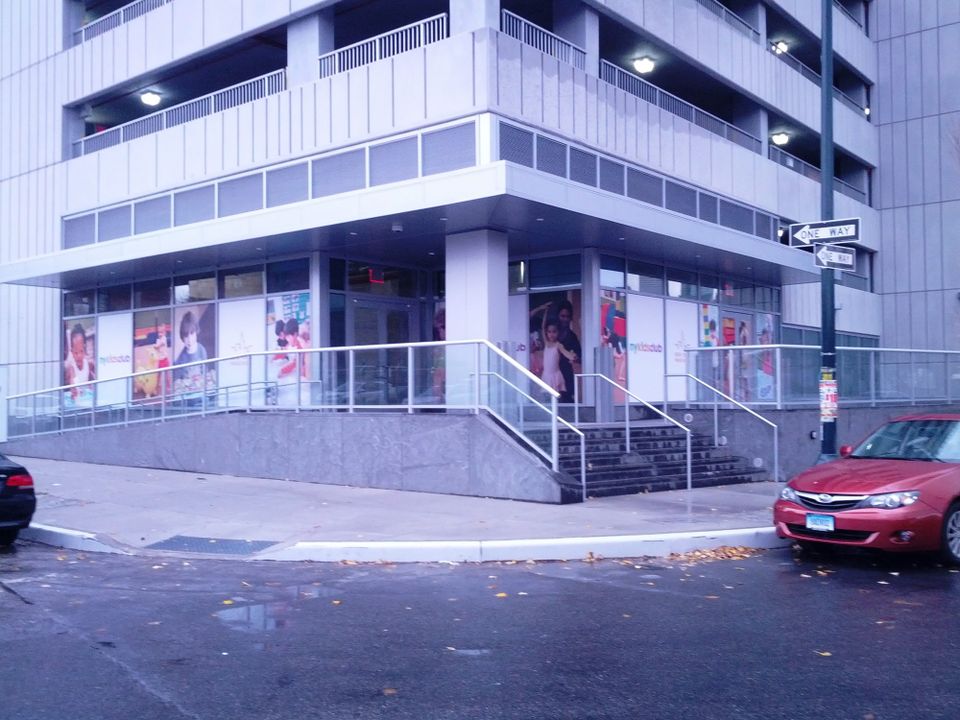
Printed window graphics with photos of children and NY Kids Club logos wrapping the ground floor windows of a corner building in Long Island City

Window graphics that read in three seconds

Once the awning catches the eye, the windows have to carry the message. People walking by won't read much, so show things in this order:
 
  • The store name or logo
  • What you sell or your main service
  • A key offer or featured item
  • Hours, website or social handle, smaller

Skip long paragraphs, tiny lists and crowded photos. Bold shapes and short phrases work at walking speed.

The material solves different problems. Perforated vinyl shows full color art from outside while still letting light in and letting the staff see out. Frosted film gives partial privacy for offices, salons and clinics while letting daylight through. Full color prints turn a blank window into a branded wall that ties in with the awning's colors and fonts.

Keep the core branding in place and swap a panel or two for summer sales, back to school, new products or holiday promotions. The storefront stays fresh without losing what regulars recognize.
View Our Vinyl Graphics
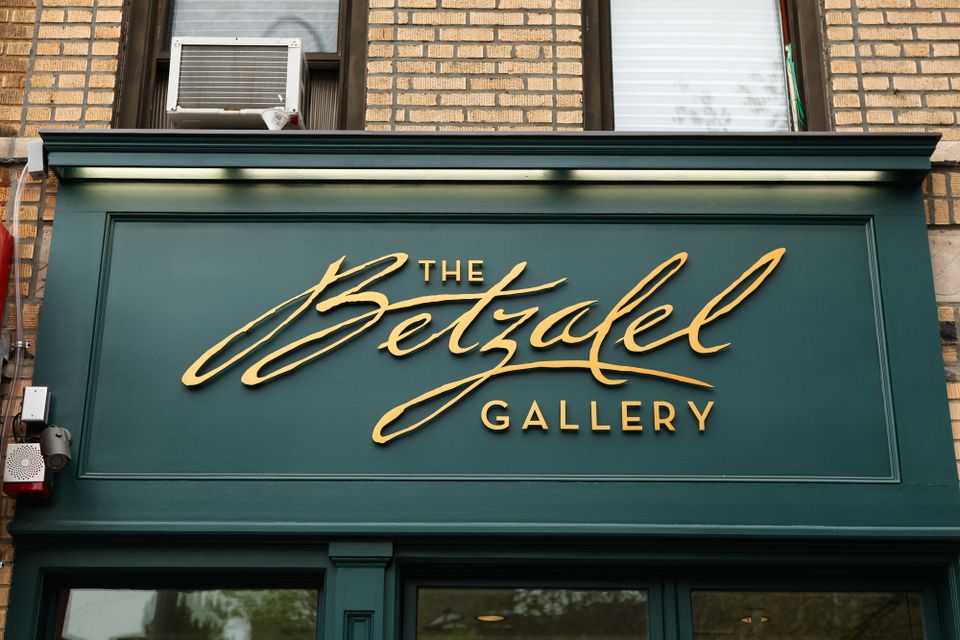
Gold script and block dimensional letters on a dark green storefront panel, lit by a cove light above

Lighting that keeps you visible after dark

In a lot of Brooklyn neighborhoods, foot traffic doesn't stop at sunset. An awning that disappears at dusk loses all of those chances. The usual options:
 
  • Gooseneck fixtures that light the awning face and logo
  • LED strips under the awning that wash the entrance in soft, even light
  • Backlit letters or signs that stay easy to read into the evening

Lighting also tells people you're open and paying attention, and it makes the entrance feel safe. Aim fixtures so they don't glare into upstairs windows or off the glass.

LEDs use less energy and run cooler than older fixtures. Warm white feels cozy and relaxed, neutral white feels brighter and more modern. A timer or photo sensor turns the lights on when they should be on without anyone remembering, and a little cleaning keeps everything looking sharp.

An awning that works every season

In spring and summer, an awning makes sidewalk seating more comfortable, gives people a shady spot to stop and look at the windows, and pushes your colors farther out into the street. Shade draws people in.

In fall and winter, weather resistant materials and a covered entry protect customers waiting at the door from wind and cold rain, keep the entrance drier and safer, and make the storefront feel warm on a gray day. People are more likely to step into the first place that looks sheltered and cared for, and a solid awning or vestibule can tip that choice your way.

Businesses with more than one location build recognition fast by repeating a signature element: the same stripe, the same color block and logo placement, or the same awning shape. Someone who knows one location will spot the next one across town.

Is your awning working as a landmark?

Stand across the street from your storefront and ask:
 
  • Does the awning stand out from the shops on either side?
  • Could someone use it to give directions?
  • Does it tell the same story as the room inside and your online presence?
  • Can you read the name and tell what you sell in a few seconds, day and night?

If the answer is no, everyday foot traffic isn't turning into brand memory the way it could. Take daytime and nighttime photos, note what feels confusing, dark or dated, collect a few storefronts you like, and decide what to tackle first.

Frequently asked questions

How does an awning become a neighborhood landmark?

A distinctive awning stands out at street level, where most people are walking, biking or coming out of the subway. When its color, shape and logo are easy to spot, locals start using it for directions and meetups.


What makes an awning good for branding, not just weather?

Colors, fonts and logo placement that match the rest of the business, clear high contrast lettering, and lighting so people recognize it day or night.


What's the difference between flat, sloped and dome awnings?

Flat awnings look clean and modern. Sloped awnings feel classic and frame the windows. Dome awnings have a rounded silhouette that often feels boutique or upscale.


What should window graphics say?

The name or logo first, then what you sell, then a key offer, with hours or a website smaller. Short phrases and bold shapes read better at walking speed than paragraphs or crowded photos.


What's perforated vinyl?

A window graphic material that shows a full color image from outside while still letting light in and letting the staff see out. It's useful when you want strong branding without blocking the view from inside.


Should I light my awning?

Yes. Lighting keeps it working as a sign after dark and on gray days, helps people recognize the business, and makes the storefront feel more welcoming at night.

Ready to make your storefront easy to find?

Tell us about your storefront and what you'd like it to say from the street.
We'll follow up to go over options and provide a clear, detailed quote.
Get a Quote