Skip to content

Acoustic Vestibules for NYC: STC Goals, Door Seals, and Field Testing

Plan a vestibule enclosure in NYC with practical STC targets, airtight door seal details, and proven field testing methods for noisy streets and shops

Turn Down the City Noise and Keep Customers Inside

Running a street-level business in New York means dealing with constant sound. Traffic, horns, sidewalk conversations, outdoor dining, music from nearby spots, and construction all blend together, especially as fall brings people back to offices and schools. That energy can be great for foot traffic, but not so great for the experience inside your space.

A well-designed vestibule enclosure in NYC can act like a buffer between the sidewalk and your interior. It can lower the street noise that spills into your dining room, sales floor, or lobby. It also helps keep conditioned air inside as the weather starts to cool, which can make your entrance feel calmer, more comfortable, and more welcoming.

In this article, we will walk through how acoustic-performance vestibules work, what STC ratings actually mean, why door seals matter so much, and how field testing shows real sound reduction in the spaces people use every day.
Blue storefront awning and matching entrance canopy with printed lettering on a Manhattan retail block

How Street Noise Affects Your Business and Brand

High noise levels do more than make people raise their voices. They can change how guests feel about your entire business. When street noise pours in every time the door opens, it can affect different spaces in different ways, like:
 
  • Restaurants where diners struggle to hear each other  
  • Retail stores where staff and customers keep repeating themselves at checkout  
  • Hotel or office lobbies that feel hectic instead of calm and professional  

All that background sound can shorten how long people stay. Guests may rush through a meal instead of ordering dessert. Shoppers might leave sooner, skip a second look at a display, or decide not to ask questions. In service spaces, conversations can feel tense or tiring when everyone is talking over honking and sirens.

Noise also follows your brand online. People often mention sound when they leave reviews. Comments about a place being “too loud” or “hard to hear” can quietly push others away, especially for evening dining, after-work shopping, or lobby lounges during peak hours.

A vestibule that is designed with acoustics in mind becomes part of your brand statement. When someone steps into a quiet, temperature-stable entry, they get a message right away: this business pays attention to comfort and quality. That first impression sets the tone before they even reach the host stand, reception desk, or sales counter.
See Our Awnings

STC Ratings Made Simple for NYC Storefronts

Sound Transmission Class, or STC, is a standard way to rate how well a wall, door, or window blocks airborne sound. In simple terms, a higher STC rating usually means better sound blocking between one side of a barrier and the other.

You do not need to be an engineer to work with STC. It helps to think in ranges and goals:

 
  • Fast casual or quick-service restaurants may aim for moderate sound control that takes the edge off traffic noise  
  • Fine dining spaces often want a higher level of separation from the street so conversation feels relaxed  
  • Boutique retail may focus on a pleasant background level where music and sales conversations are not fighting city sounds  
  • Medical offices, wellness spaces, and hotel lobbies often prioritize a more controlled, quiet entry zone  
 

The right target depends a lot on your existing building: wall construction, ceiling height, open floor plans, and how close you are to streets, subway lines, or nightlife. The vestibule is one part of a larger system, but it is often the most direct barrier between the sidewalk and your interior.

At SignIt NY, we look at acoustic goals and translate them into real-world vestibule details. That can include:

 
  • Glass types and thicknesses that better reduce airborne sound  
  • Framing systems that support heavier glass and tighter seals  
  • Single or double-door configurations that balance access and sound control  
  • Layouts that respect egress and code needs while supporting your design vision  

The goal is always the same: align performance, code, and appearance so the vestibule looks like it belongs to your brand while helping control noise from outside.

Door Seals, Thresholds, and Hardware That Actually Work

Even the best-rated door or glass panel can underperform if sound leaks through gaps. Air gaps are sound paths, and the smallest crack around a door frame can let in a surprising amount of noise.

An acoustically effective vestibule door package usually includes:

 
  • Continuous perimeter seals around the door frame that stay in contact when the door is closed  
  • Automatic door bottoms that drop down to close the gap at the floor when the door shuts  
  • Proper thresholds that meet accessibility needs while reducing air and sound leaks Door closers that pull the door closed smoothly and fully, without slamming  

Over time, heavy use can wear down weatherstripping, sweeps, and hardware. In New York, entrances take a beating from constant opening and closing, delivery carts, strollers, and changing temperatures. If seals tear or compress too much, or if a closer goes out of adjustment, gaps open up and noise control drops.

When we design vestibules, we think about that daily use. We aim for:

 
  • Durable, serviceable sealing systems  
  • Hardware that can be adjusted instead of replaced right away  
  • Clear paths for accessibility while still protecting acoustic performance  
  • Details that keep out drafts and water as well as sound during colder months  

Good acoustic performance is not just about the product rating; it is about how the system is installed, sealed, and maintained in real conditions.
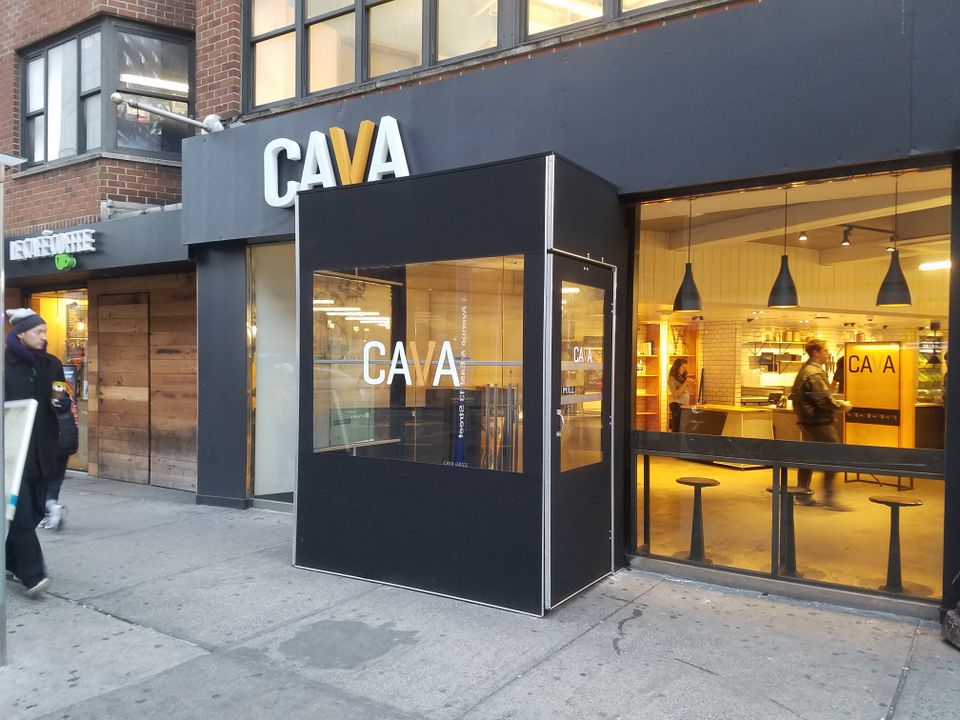
Black framed winter vestibule with a branded front panel enclosing a lit restaurant entrance on a city sidewalk

Field Testing Methods That Prove Noise Reduction

Lab reports and product sheets are helpful, but they do not always reflect what happens on a busy New York street. Field sound testing is about measuring noise in your actual space, before and after the vestibule is installed, so you can hear and see the difference in a real way.

Field testing can be as simple as using sound level meters to record:

 
  • Exterior sound levels on the sidewalk during peak times  
  • Interior sound levels just inside the main door before any work  
  • Interior levels again inside the new vestibule and then deeper into the space after installation  

Some projects involve acoustic consultants who perform more detailed testing and analysis. Others use practical methods that still give clear feedback. In both cases, the goal is similar: confirm that the vestibule is doing its job and find any weak spots.

With real measurements, we can fine-tune details like:

 
  • Door closer speeds so doors latch fully without slamming  
  • Seal compression so gaskets touch properly all around the frame  
  • Small framing or glazing adjustments where sound may still leak through  

This kind of feedback loop helps the final installation meet the comfort level your team wants guests to feel as they enter.
See Our Vestibules

Plan Your Quieter Entrance Before Winter Hits

The transition into cooler weather is a smart time to look closely at your entrance. Street noise often feels sharper when doors stay closed longer and outdoor dining, traffic, and events move into evening hours. At the same time, keeping warm air inside and cold air out becomes more important for comfort at the door.

When you start planning early, you leave room for design coordination, city approvals where needed, fabrication, and installation before winter really settles in. A little foresight can mean your guests enjoy a quieter entry just when the city outside gets louder and the wind picks up.

To start thinking about a vestibule enclosure in NYC that focuses on acoustic performance, it helps to have a clear picture of your space. Useful things to consider include:

 
  • The type of business you run and how you want it to feel inside  
  • Street conditions, like traffic volume, nearby bars, or bus stops  
  • Specific noise complaints from staff or guests, and when they tend to happen  
  • Any limits at the facade, such as doors that must swing a certain way or architectural features you want to highlight  

With that information, a custom vestibule can be shaped around your real needs, not just a standard layout. The result is an entrance that looks right for your brand, helps control noise from the street, keeps temperatures more stable, and welcomes people into a calmer space as soon as they step off the sidewalk.

Get Started With Your Project Today

If you are ready to protect your entryway and upgrade your curb appeal, our team can design and install a custom vestibule enclosure in NYC tailored to your building. At SignIt NY, we walk you through every step so your project fits local conditions, building requirements, and your budget. Tell us about your space and timeline, and we will provide clear options and a straightforward quote. To discuss details or request an on-site assessment, simply contact us today.
Get a Quote