

Understanding Restaurant Vestibule Enclosures in NYC
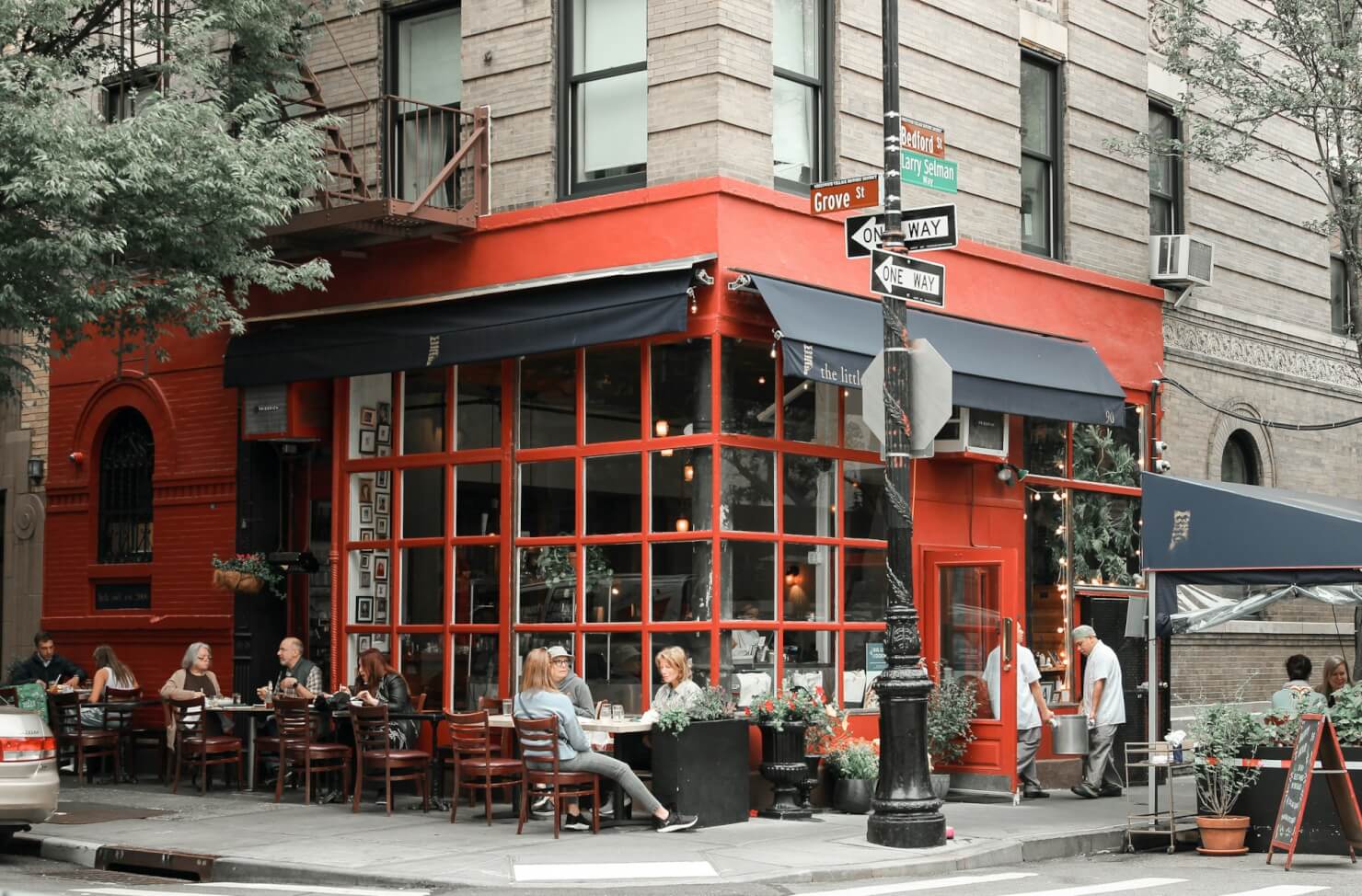
Transform Your Entrance Into a Four-Season Dining Asset
A restaurant vestibule enclosure in NYC is much more than a temporary cover at your front door. Done right, it becomes a functional design feature that protects guests from harsh weather, supports your staff, and adds style to your block. In a city where first impressions are made in seconds, that space between the sidewalk and your dining room can either feel chaotic or thoughtfully managed.
At SignIt NY, we see vestibules as an extension of your brand. They create a comfortable transition from street to seat, help control drafts, and frame your entrance so guests know exactly where to go. In this article, we will walk through why vestibule enclosures matter for New York restaurants, what rules owners should know, smart design choices, and how working with a professional partner can keep the entire process simpler and more efficient.
Why Vestibule Enclosures Matter for NYC Restaurants
New York weather can punish a front door. Cold winds along avenues, sudden rain, icy sidewalks, and heavy humidity all affect how your entrance feels. Without a vestibule, every time someone opens the door, outside air rushes in, guests waiting near the entrance shiver or get soaked, and your staff ends up acting as human shields against the elements.
A well-designed restaurant vestibule enclosure in NYC helps create a buffer zone. It cuts down on drafts, keeps cold or hot air from pouring directly into your dining room, and gives your HVAC system a better chance at holding a steady temperature. Instead of your heating or AC fighting every door swing, the enclosure absorbs much of that impact, which can support more consistent comfort and more controlled energy use over time.
The guest experience improves immediately. People waiting for a table, picking up takeout, or scanning your menu board can do it in a more comfortable space. Entry and exit feel calmer and more organized, even during a busy rush. From the street, a clean, branded vestibule signals that you care about details, which often reads as better service and better hospitality before guests even walk in.
Some benefits owners notice include:
- Less cold air pouring into the dining room in winter
- A drier, safer entrance during rain and slush
- A clearer, more defined entry point on a crowded sidewalk
- A more polished, restaurant-quality first impression
Key NYC Rules That Owners Need to Understand
Any structure on a New York City sidewalk has to play by certain rules, and vestibule enclosures are no exception. While specific requirements can vary by location and building conditions, owners typically have to consider sidewalk clearance, maximum projection from the building, width, and sightline issues. You want guests protected, but you cannot block pedestrian traffic or create blind corners.
There is often a distinction between seasonal vestibules that go up for colder months and more permanent style installations that stay in place longer. Seasonal units tend to be lighter and more flexible, while longer-term structures may use sturdier framing and finishes. Depending on how your enclosure is built and how long it stays up, permits, building approvals, or coordination with city agencies may come into play.
This is where professional guidance matters. A team that works with New York storefronts regularly understands how to measure your frontage, read site conditions, and design within typical city expectations. The goal is to keep your restaurant covered while staying on the right side of local rules, avoiding complaints, and making sure your enclosure fits into the streetscape instead of fighting against it.
Design Choices That Elevate Your Brand and Space
Once the basic footprint and clearances are set, design decisions turn the vestibule into something that actually works for your space. A restaurant vestibule enclosure in NYC can be built with rigid panels, flexible panels, or a combination of both. Clear vinyl is common for sidewalls and doors because it lets in light and maintains visibility, while solid materials provide more privacy and a stronger visual frame.
Frames can range from metal structures that feel more architectural to lighter assemblies that focus on quick setup and removal. The right choice depends on your frontage, how exposed your location is to wind, and how often you plan to install and remove the enclosure. We always look at the specific building details in front of us, not just a catalog picture.
Branding opportunities are significant. You can reinforce your identity with:
- Custom graphics that echo your interior design
- Logos placed at eye level on doors or panels
- Color matched materials that tie into your awning or storefront
- Printed patterns or text on side panels to promote your concept
Practical layout details matter just as much as the look. Door swing needs to be thought through so guests are not backing into traffic or bumping into each other. The path from sidewalk to host stand should feel intuitive. ADA accessibility is essential, which means considering clear widths, thresholds, and maneuvering space. Lighting should make guests feel safe and welcome, not blinded. Clear panels and windows in the enclosure help maintain sightlines so staff can see out and guests feel connected to the street instead of boxed in.
Working with a Professional Vestibule Partner in NYC
When we work with a restaurant on a new vestibule, the process usually starts at the sidewalk. We visit the site, take measurements, look at traffic patterns, and talk through how the entrance actually functions during a busy service. From there, we move into design, selecting frame types, panel materials, colors, and graphics that match your storefront and goals.
Because we are based in Brooklyn and focus on New York City and the tri-state area, we understand common building conditions like uneven sidewalks, tight property lines, neighboring stoops, and shared entrances. We also know how these enclosures live in real restaurant conditions, with constant door swings, delivery traffic, and late-night use. That local experience helps us recommend details that hold up over time, not just on day one.
Once a design is approved, fabrication and installation are coordinated around your schedule as much as possible. For many restaurants, vestibules are seasonal, so storage and reinstallation become part of the plan. Panels may need to be repaired, zippers replaced, clear vinyl refreshed, or graphics updated as your brand evolves.
To keep your enclosure looking sharp year after year, it helps to:
- Clean clear vinyl regularly to avoid cloudiness
- Inspect zippers and fasteners for wear
- Check frame connections after heavy weather
- Store panels in a clean, dry area when not in use
- Refresh graphics when you update menus or branding
Get Your Entrance Ready Before the Weather Changes
The best time to think about a restaurant vestibule enclosure in NYC is before you are standing at the door feeling cold air rush in. Planning ahead gives you room to work through design options, approvals, and installation without the pressure of the first major cold snap or a stretch of stormy days. It also allows you to align the timing with any other storefront updates, like new signage or awnings, so the entire facade feels cohesive.
A thoughtful vestibule turns your entrance into an all-weather asset that supports your staff, protects your guests, and strengthens your brand presence on the block. By understanding the benefits, local rules, and design choices available, you can approach the process with confidence and end up with an enclosure that works hard for your restaurant every single day.
Get Started With Your Project Today
If you are ready to protect your guests from harsh weather while elevating your curb appeal, we can design and install a customized restaurant vestibule enclosure in NYC that fits your space and branding. At SignIt NY, we handle the process from concept through installation so you can focus on running your restaurant. Reach out to us today through our contact page to schedule a consultation and get a detailed quote.